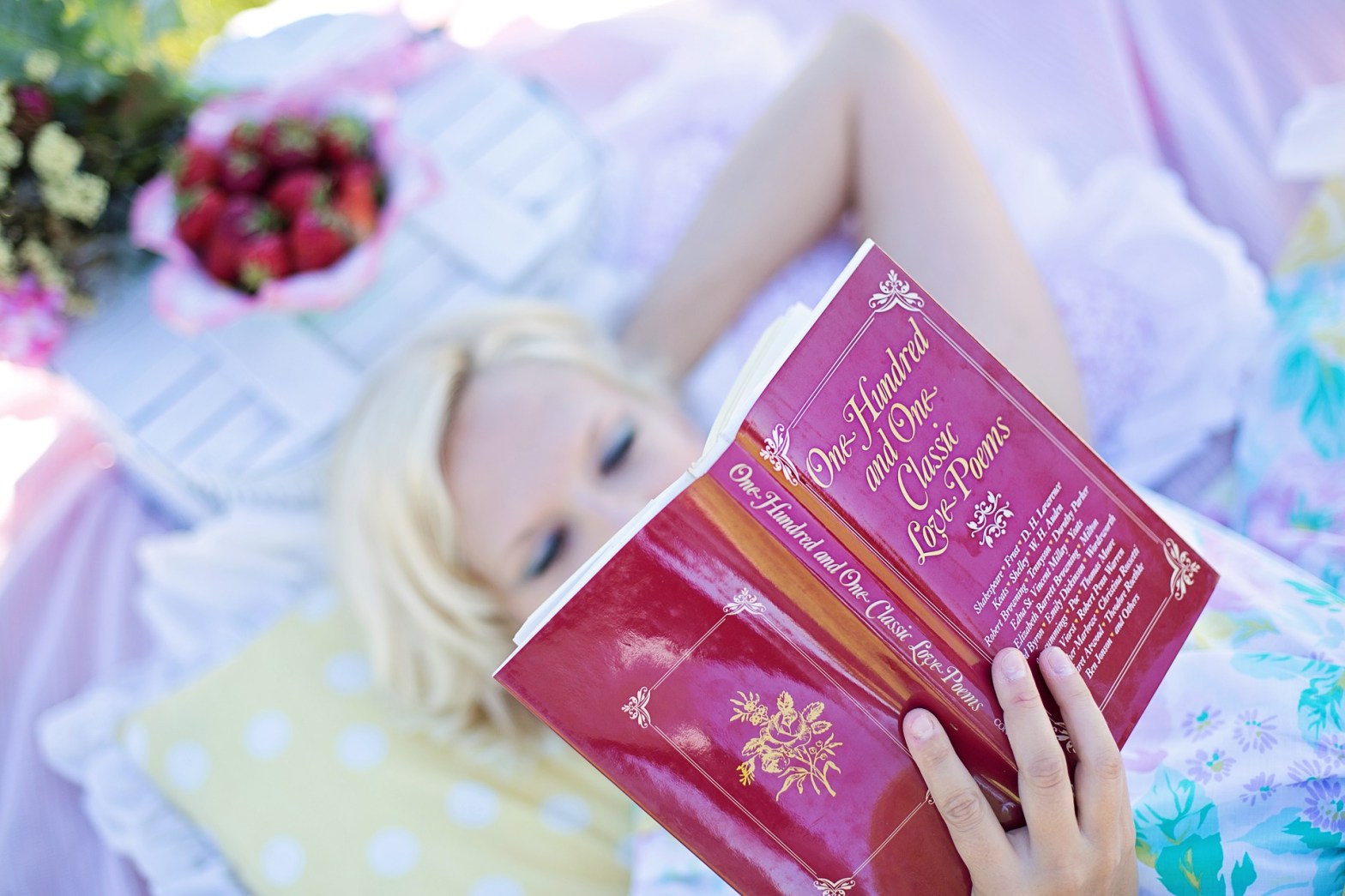
Poetry is one of the most exciting yet difficult forms of literature. There are more than what you read and understand the first time. The depth of every poem’s message cannot be told when you only base on its literal meaning. When you examine it more than once and really care to jump into its deeper corners, you can discover all its wonders. Sometimes the mere act of reading a poem makes your heart warm or aching; hence, poetry evokes human emotions through words embedded with a strong message.
There are many poetry books in the avenue of literature. Poetry in Motion Quattlebaum book is among the best anthologies that will make you fall in love with the art of poetry more, along with Milk and Honey by Rupi Kaur, All Our Wild Wonders by Sarah Kay, The Witch Doesn’t Burn in This One by Amanda Lovelace, and more. If you are one of those who fell into the rabbit hole of poetry writing and badly want to create a poetry book, then listed below are the tips in writing a captivating poetry book that you might want to check out!
Don’t force yourself in writing, let the creativity flow
Never, ever, force yourself to write any piece of literature because it will compromise the beauty of your output. Poetry is hard to craft, especially if it follows a meter or rhyme scheme, but it doesn’t require you to force a creative thought to pop up to your mind. It also doesn’t demand you to write whatever that comes to your mind for the sake of having written some words into the paper.
Give yourself time to summon your creative juices naturally, you’ll never know how much of a beauty your poems would become if they are a product of free-flowing creativity. That is why you need to loosen up a little, do things that relaxes your mind, and when it you feel like you already have the exact amount of inspiration and will to write your poems — then grab the nearest pen and paper or devices and write.
Decide the structure of your poems
When you say “poetry,” it refers to a vague genre with a lot of curves and edges that you have to discover before diving into this art. There are different types of poetry wherein some are classified depending on meter. Hence, ensure that you have decided on what meter do you want to use, but it you want to have more creative freedom — then you might want to go for free verse. It is important to identify if whether you want to use a meter or not so that you can keep the consistency of the poems in your poetry book. However, if you want to put a variety of poems that follow a diverse pattern, meter, and rhyme scheme, then you may do so. It is all in your preference and tactics on how you want your poems to appear.
Make use of the figurative language
There are many devices that you can use to enhance the quality of your poems. Figurative language is one of the most commonly used literary devices in poetry. This aspect is not a want but a need for poems to keep their depth and ambiguity. Figurative language is also necessary in building better aesthetics, inserting deeper meanings, and hiding substantial information within the text. Metaphors, simile, personification, alliteration, metonymy, assonance, hyperbole, and synecdoche are some examples of figurative language that are widely used in poetry. They are the ones that make poetry more colorful and fun by hiding the real meaning of the text through playful words.
Write with to express and not to impress
Write because you want to pour your heart out. Write because you are passionate about it. Write because it is what you genuinely want. Do not write because you want people to look up to you and all other reasons that centers on fame. Instill in your mind that the only time that you will achieve literary success and will gain great readers is when you write because you want to lay down the things that make your heart heavy, warm, or delighted. If there are thoughts that are bothering your mind for quite some time now or if there are experiences that you want to share to others, you can grab a piece of paper and scramble the words on it.
 Oliver’s Twist