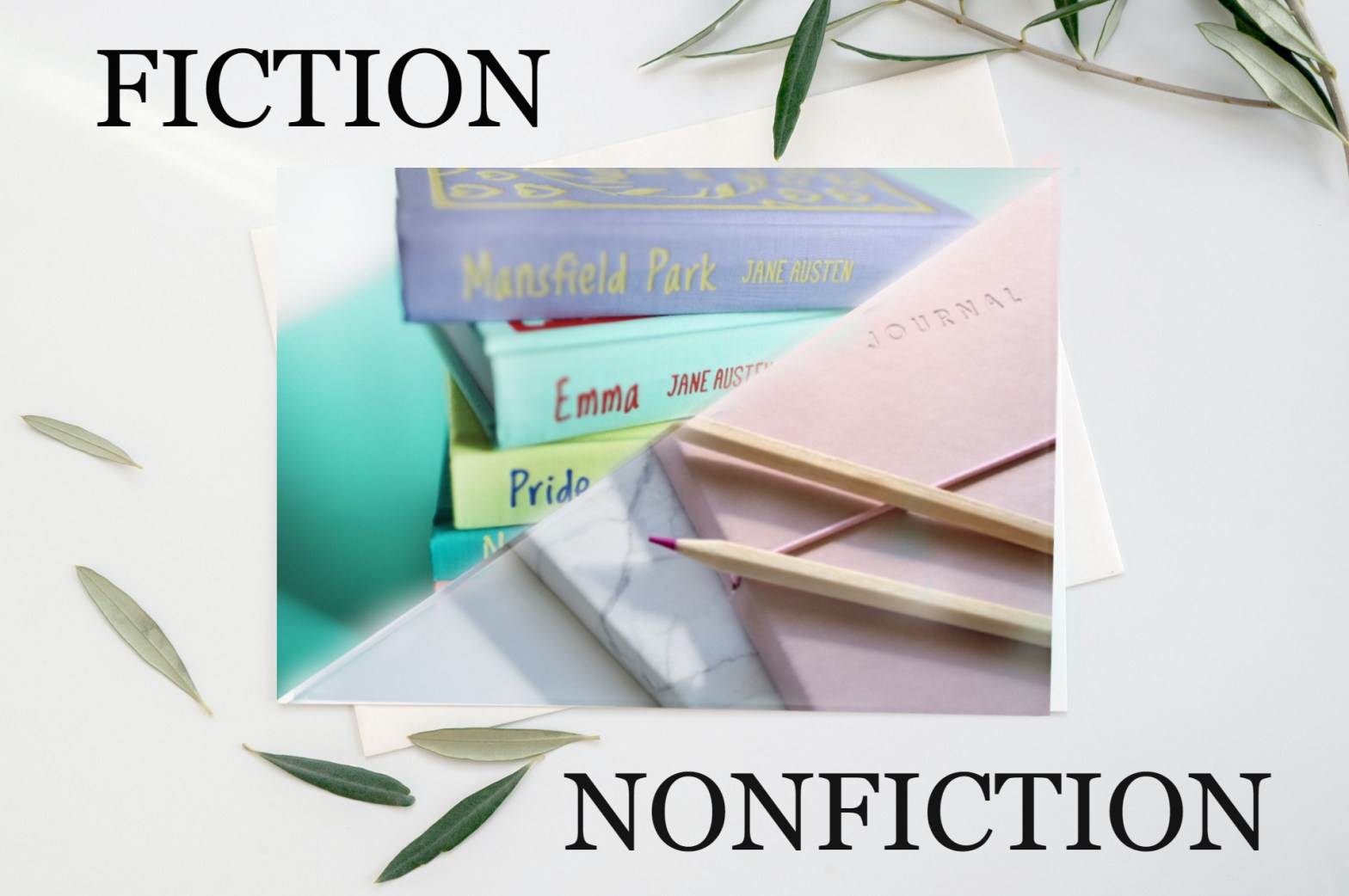
Are you fond of reading books? If you are, then you might be familiar with the terms “fiction” and “nonfiction.” They are two of the literary genres that are widely patronized by bibliophiles ever since. There are many fiction and nonfiction subgenres that existed. Fantasy, young adult fiction, science fiction, adventure, children’s literature, and romance are some of the popular examples of the former. Memoir, travel guide, biography, journal, textbook, and manuals are among the examples of the latter.
All of the books in these diverse genres have undergone thorough editing before they were published. No author would want their works to disappoint readers because of unseen grammatical errors or plot holes. Hence, editing would really help bring out the A games of books from fiction and nonfiction. Van Arsdale’s art of editing in fiction and nonfiction books is a great service that proves that every book of different genres must go through polishing.
Moreover, the two famous genres are often confused with one another. It could be because of the word “fiction” found on both terms. However, they have characteristics that set them apart from each other. Below are the details that you need to know about fiction and nonfiction.
Fiction
Fiction pertains to any work of literature that is produced from the author’s imagination. True to its name, the elements or aspects of the piece is not introduced as facts even if they are based on a true story or experience. Hence, the keyword for this genre is “imagination.”
The three basic kinds of fiction are the short story, novel, and novella. Short story refers to the work of fiction that with a word count that do not exceed 7,500 words. Novella is longer than short story because it is usually 17,500 to 40,000 words long. Novel is the longest form of fiction; its length must be at least 40,000 words or more. As literature evolves, furthermore, the avenue of fiction is also extending. It has now includes other fictional narratives that go beyond the writing spectrum, such as movies, comics, dramas, TV shows, and more.
Additionally, when you look at fiction as a genre, it has been divided into multiple sections. Most of the subgenres of fiction are differentiated by examining the elements, style, narrative techniques, and other literary devices and elements incorporated in the tales. Historical fiction, for instance, takes the fictional set of characters into the true events that happened in the past.
Most fictional works, especially novels, build their own worlds that make readers wish to be part of every time they read the story. This just shows that fiction books present a whole package instead of cherry-picking the elements to be displayed as work of the imagination. Narnia, Middle-Earth, Westeros, The Land of Oz, and Hogwarts are some of the great imaginary places that readers always crave to go.
Nonfiction
Nonfiction refers to any written work that has a good intention to symbolize truth and reliability based on the data, happenings, and people. Outputs in this category may be laid down subjectively or objectively. Some are presented in the form of articles while others are in to form of stories. Furthermore, it is among the essential avenues of narrative writing that opposes fiction. The parts of nonfiction are purely based on facts and real events while fiction revolves around aspects that are imaginary.
However, there are instances that nonfiction can present an inaccurate claim to a particular subject. The work may not be truthful from top to bottom. Authors of these types of pieces have sincerely believes that the particular subjects are factual during the writing process. Nonfiction doesn’t essentially need their outputs to be in written form because the assertions rose by images and movies can also claim to have a truthful account of the topic.
Between the World and Me by Ta-Nehisi Coates, The Diary of a Young Girl Anne Frank by Anne Frank, The Warmth of Other Suns: The Epic Story of America’s Great Migration by Isabel Wilkerson, Silen Spring by Rachel Carson, Becoming by Michelle Obama, and Sapiens: A Brief History of Humankind by Yuval Noah Harari are among the popular nonfiction books of all time.
 Oliver’s Twist