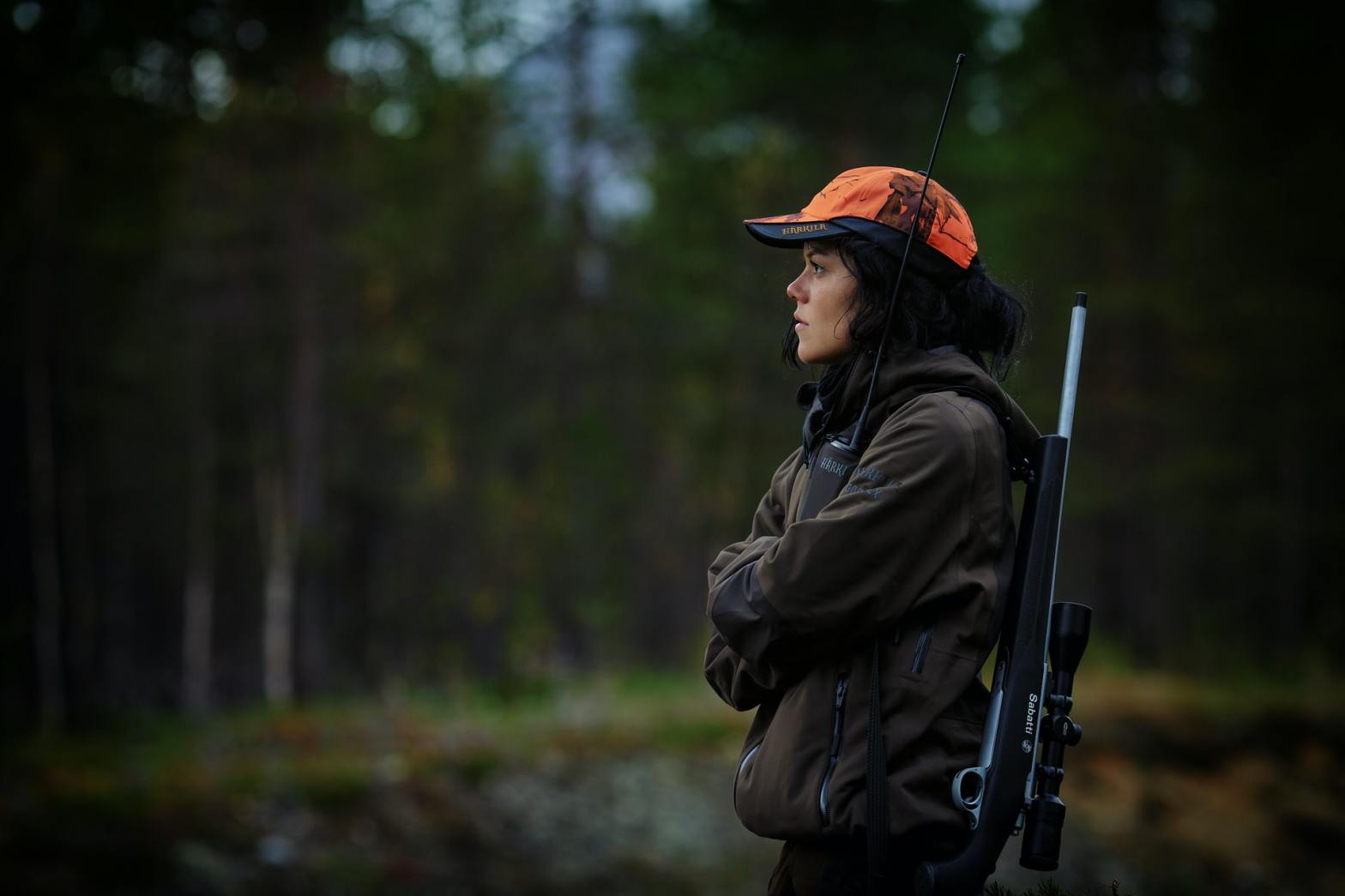
Anyone who has read hunting travelogues, such as Mike Honeycutt’s World of Hunting and Fishing by Mike Honeycutt, will be enamored with hunting and the experiences that come with it:
- The joys of outdoor travel
- Meeting new people
- Experiencing new cultures
- Making priceless memories
- The excitement of exploring new and unfamiliar territory
Many people, both young and old, are interested in hunting but unsure how or where to get started. There will always be opportunities for newcomers to make their hunting dreams a reality. But to make those opportunities happen, there are things to look at or questions to ask oneself before getting into the hunting game or lifestyle:
What is the motive for hunting?
Why do you want to hunt? For a taste of adventure? To gain outdoor experience? To test your outdoor survival skills? To kill for fun? For the meat? To strengthen ties with people who happen to be hunters? To uphold the culture or carry on the family tradition?
A lot of people will have different reasons for hunting. What’s yours? Whatever it is, make sure your motive is based on careful consideration and personal reflection. Your motive will help you get through the initial hurdles or challenges of your first few hunting trips. If you don’t have the right reason, you might not endure a challenging hunt.
Where do you live?
What is your state of residence? What hunting opportunities exist in your state? Does your state have a large swath of public land available for hunting? Does it teem with a large variety of big game species? How much is public land accessible in your home state?
If your state does not have extensive public land, do you know someone willing to let you go onto their property and hunt? You might end up buying a lease; take note that public land hunt tags/licenses are cheaper than lease or tag from a private landowner. Or, if your finances allow it, you can travel to other states that have considerable public land for hunting and offer plentiful hunting opportunities.
What species exist on the potential hunting ground?
Is it mainly deer, elk, moose, caribou, pronghorn, bison, bear, or duck? The availability and distribution of certain game animal species depend on where you live. Your location or the potential hunting ground closest to you determine what game animals are available to you. You will want a hunting ground that is somewhere economic and allows you to harvest an animal.
Know how hunting licenses are dispersed in your state.
Does your state implement a lottery system or preference point system? Some states, such as New Mexico, implement the lottery system, while other states such as Colorado implement the preference point system.
In the lottery system, if your name or ‘draw number’ gets drawn, you get to hunt; if it doesn’t, then you don’t. You earn a preference point in the preference point system when you are unsuccessful in drawing your first-choice hunt code for all big-game species. You accumulate preference points for use toward future hunts. When you are successful in attracting a first-choice license, your preference points drop to zero.
Each state has a game and fish department. Visit their website for the hunting license application information before applying for a hunting license.
How much are you willing to invest?
Just like any other hobby or sport, hunting can be an expensive pursuit. You will need to invest in hunting gear, including a weapon (either a rifle or bow and arrow), optics (binoculars), and a GPS. These are necessities for any hunt. Such hunting gear can cost hundreds to thousands of dollars.
How much should you spend on hunting gear? It depends on what your budget is and how much money do you want to invest in hunting. You can do with a ‘super cheap’ rifle and probably do well at closer ranges, but when you get into the sport, you will spend more for upgrading your weapon. Take note; however, that high-end hunting rifles tend to do better but not always, so do your research and make the right choice for your budget.
You could start with cheap hunting gear on your first hunting year, but make sure you accumulate gear on a year-to-year basis so you can spread out your investment in hunting.
Besides hunting gear, you will also need to invest in camping and outdoor equipment, such as a tent, sleeping bag, outfits, survival gear, etc. You also need to consider travel and transportation costs, licenses, tag fees, and other expenses.
 Oliver’s Twist