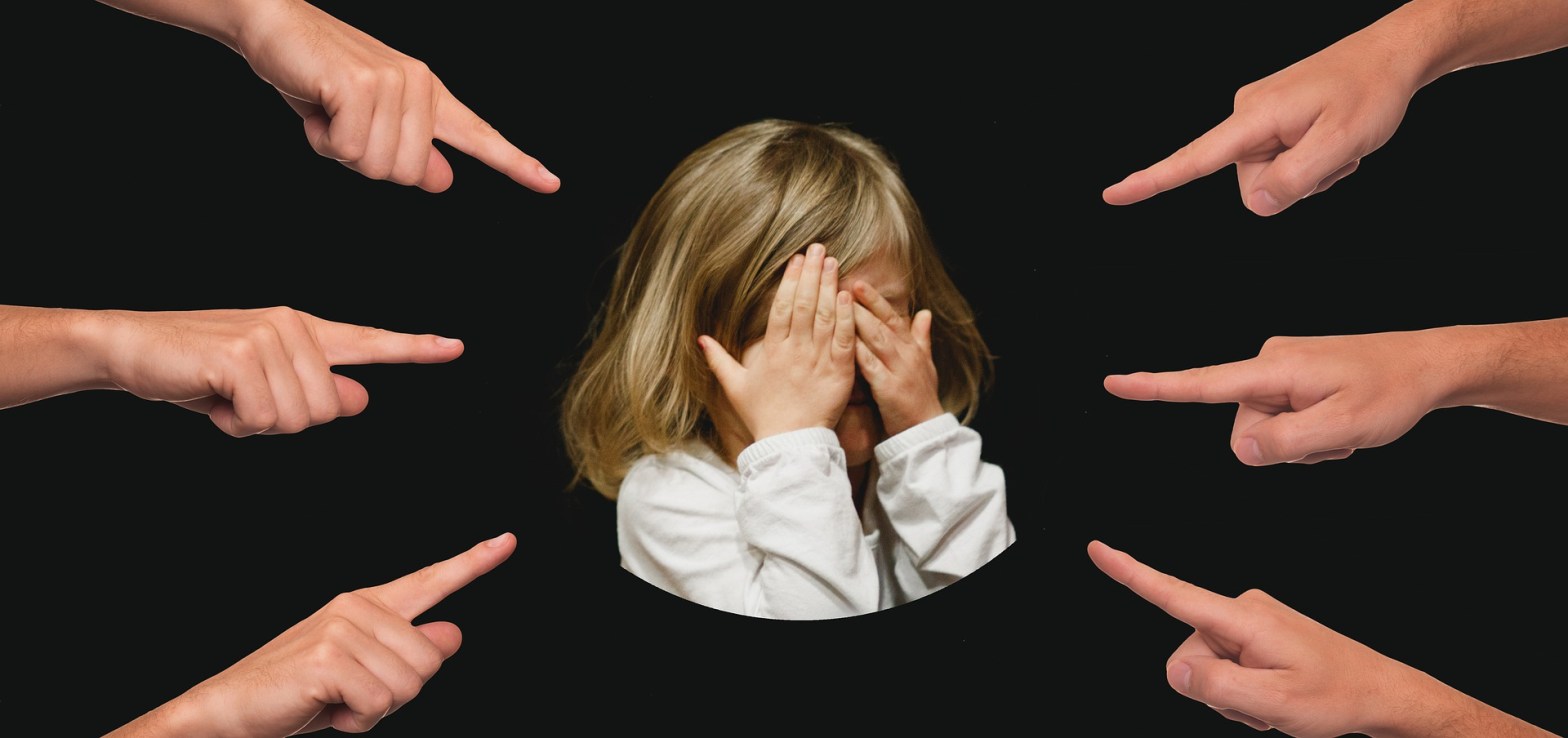
Bullying will impact everyone—some who are being abused, others who are being harassed, as well as those who are present when bullying occurs around them. Abuse is connected to various detrimental consequences, including the suffering of mental wellbeing, drug use, and depression. It’s essential to speak to the kids about whether harassment—or anything else—is a problem. For younger kids, Alana Konieczka’s book is a kid’s book on bullying.
Modern public schools have suffered this problem for a long time. It is a highly prevalent issue in many schools, but how does it affect a kid’s grades and learning? School children have an unfortunate reputation of being rather cruel and unforgiving. They are capable of harassing others into tears or physical confrontations – maybe they might make another kid come home crying, or another kid contemplate the idea of taking his own life. Sadly, many parents and guardians have no awareness of the potentially detrimental effects that bullying has on a kid’s self-esteem and his character and schooling.
The two most prevalent types are spoken or and cyberbullying, including name-calling, taunting, making up stories, confiscating possessions, lewd advances, and expressions, or actual assault. Physical bullying occurs less frequently than social bullying, and cyberbullying is still less common, although it is becoming prevalent.
Although many individuals think a tiny amount of teasing is innocent, teaching them how and when to stand up for themselves might also be good for the kid. In fact, due to the fear of harassment by other pupils, an estimated 160,000 kids skip class on any particular school day. Thousands of these students in classrooms are violently abused each day, and one out of ten pupils who drop out of school cites persistent harassment as a cause. Bullying may significantly affect a child’s learning environment, not only by leading him or her to skip class. There is a lot of proof to show that harassment harms the academic success of a kid.
Bullied kids are proven to show a fear of gaining improvement or striving harder to achieve better grades due to the fear of being called out for standing out. Due to this, teachers and instructors often determine which kids are under-achievers and slower learners. Due to this, the chances of them neglecting the child’s bullying problem increases significantly.
The repercussions of harassment reach far beyond the educational realm. Physical signs such as stomach problems, nausea, and difficulty sleeping can be encountered by students who are constantly humiliated. Such adverse effects may be associated with anxiety over going to school or attending class, which only leads to reinforced loss of confidence and diminished academic success. Kids who feel intimidated frequently have poor self-esteem, often anxiety, suicidal tendencies, and sometimes violent episodes.
You can be shocked to hear that students who harass other individuals often encounter specific adverse side effects. For instance, research shows that children who bully are more likely to participate in aggressive conduct, rob or defaces items, smoke, drink, record bad grades, or possess a deadly weapon. The findings of many long-term longitudinal studies indicate that these learners are even more prone later in life to commit violent acts. Sadly, spotting a bully is not always straightforward. Some of the pupils with the most outstanding communication skills or the highest grades may be bullies. They might also be excellent at trying to ingratiate with supervisors, professors, and other individuals.
When harassment in a community becomes an issue, it may be hard to eliminate it. You can never really wipe an entire school clean of bullying, as it will always happen one way another. With that being said, some steps should be taken by students and learners to reduce discrimination in their classrooms. By offering information on what bullying feels like, the first step in eliminating bullying is to promote consciousness. Bullying will take place at any stage of education. It is vital that educators and teachers have a clear understanding and that when it happens, they are capable of identifying harassment. The emphasis mustn’t be just on the learners who display certain behaviors but on the problematic behavior.
 Oliver’s Twist