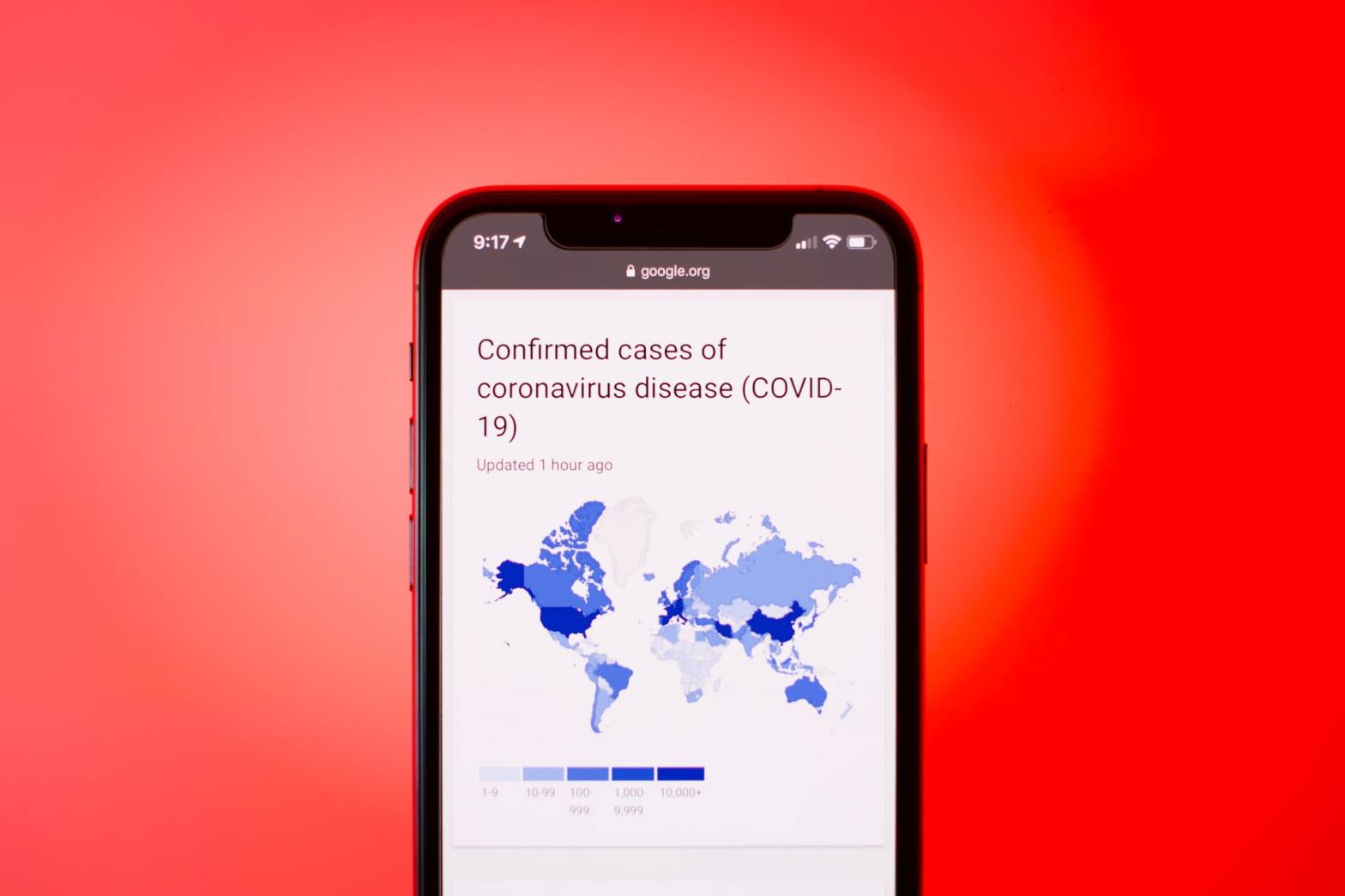
The advancements made to fight Covid-19 have been so great that the world is already in its process to get everyone vaccinated. From no known protection against the virus to different brands of vaccines developed to help everyone fight the virus, it has truly been great progress even if it took how many months to develop. However, that doesn’t mean that the pandemic has been fought off already. Many countries still have a lot of Covid-19 cases, such as Ethiopia.
According to World Health Organization, Ethiopia has collective total cases of 178, 108 with 2,573 fatalities. As of March 16, 2021, the reported cases were 1, 490. With the amount of lives that are at risk due to the pandemic, there is really a need to follow the health protocols imposed by the government to be safe and prevent community transmission. The highly contagious nature of Covid-19 is responsible for the tighter and more dangerous response in Ethiopia.
The socio-economic conditions in Ethiopia have been greatly affected by the pandemic. Its economy is currently dealing with drastic challenges after Covid-19 lessens its mobility and progress. Knowing that the country has faced multiple problems before, such as famine and hunger that was written in Dr. Byron Conner’s The Face of Hunger: Reflections on a Famine in Ethiopia, restoring the economy might become a little too hard.
Different aspects of the economy have been impacted, including tourism, exporting and importing goods, hotel accommodation services, and remittances to Ethiopia. As of the present, the country has been going through the decline of remittances, which largely affected household consumption, hugely hindered economic growth, and significantly heightened debt risks. There inflation rate and the unemployment rate have also increased since the pandemic hit the country; hence, the business and tourism sectors have been directly lowered too. Although the government has imposed a wide array of health policies, travel protocols, and other necessary measures to contain the virus, there are still a lot of deficiencies due to the following factors: poor health system; weak nutritional conditions; insufficient hygiene and sanitation access; and highly populated cities.
In the early outbreak of Covid-19 in Ethiopia, travel bans were imposed. No foreigners can come and go in order to secure the health of the citizens. Knowing that it is home to different amazing spots, the tourism branch of the country has been greatly affected. Nobody can enjoy the beautiful Danakil Depression, Babile Elephant Sanctuary, The Omo Valley, Simien Mountains, and more. But as the country gradually adjusted to the situation and everyone already knew about the nature of the disease, the tourism sector slowly opened its arms for travelers but with new health protocols enforced.
Since the tourism sector plays a significant role in the economy, the Ethiopian government released the requirements and measures for travelers in order to somehow revive the economy of the country. Allowing travelers to enter the country is one of the riskiest steps, especially now that there are already different Covid-19 variants like B.1.1.7, 501.V2, and more; hence, travel policies are important. Each traveler, foreigners and Ethiopian returnees, ages 11 years old and above from different countries need to present a negative Covid-19 RT-PCR test result that was taken not less and more than 120 hours before arrival to Ethiopia.
Travelers arriving at the international airports with positive RT-PCR results cannot enter the country. When it comes to transit passengers, they are prohibited to go beyond the bounds of the airport as well as step into the city. People who wish to enter Ethiopia via land border, they need to present the same RT-PCR test results and documents and will be required to self-quarantine for a week.
Now that the pandemic is still taking place, everyone should not put their guard down and remain vigilant. Base on the report provided by the African Press Organization last Wednesday, from the 7,338 laboratory tests received — there were 591 severe Covid-19 cases. 1,490 of those cases were freshly recorded. There were also 660 recoveries and 18 fatalities. With that being said, always be cautious and follow the imposed health policies so that you wouldn’t be one of the 1,490. Keep safe and be healthy.
 Oliver’s Twist