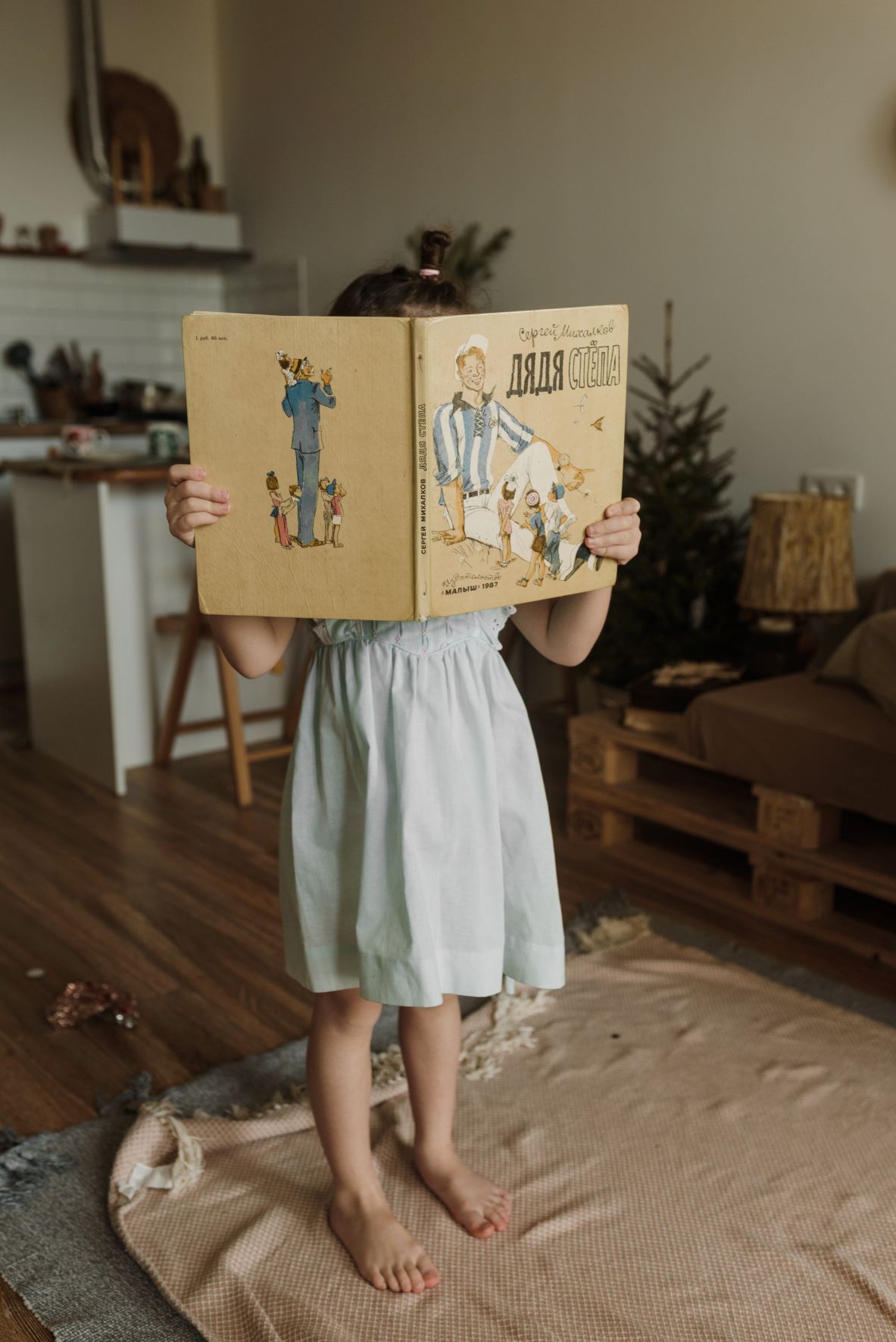
The core theme of friendship and love is at the heart of all children’s books. Take Caroleann Rice’s books, for instance. In Rice’s Ladybug Children’s Book, The Ladybug And The Bully Frog, Rice takes us closer to the bonds of friendship to solve what seemed to be a hopeless situation. Her books often portray the epitome of adversities conquered through the bond of friendship, with the help coming from a mysterious friend known as the Mighty Wondrous Voice of Love. Finding out who the Mighty Wondrous Voice of Love is is one of the readers’ mysteries to discover. Children’s books are often just like that – simple, with a tad bit of curiosity and just a hint of mystery to keep the young readers captivated.
Children’s Books Over the Years
Children’s books have gone through many changes over the centuries, mainly shaped by the events occurring when the books were written. Religion at first plays a significant role in influencing the theme surrounding children’s stories, capitalizing on existing, somewhat strict, moral, and philosophical beliefs ongoing during those times. Later on, children’s books’ themes took on a more liberal route over time as society adopted a more socially progressive outlook and stance regarding expressing ideas and opinions more freely. No matter how time influences a children’s book author’s writing style, friendship and love are consistent, not to mention persistent, key themes and the end lesson goals of most children’s stories.
What Makes Children’s Books Distinctive?
Simple and pretty straightforward are the words that come to mind when thinking about children’s books. The books use simple words in simple language, accompanying bright and colorful pictures. Children are visual learners. The more pictures there are in the books, the more children are attracted to them. Another distinctive trait is that children’s books, most of the time, write about characters that are identifiable and appealing to the children. No protagonist or antagonist with a complicated back story. Just a simple recognition of who’s the bad guy and who’s the good guy. A very engaging language is also a distinctive trait, as evidenced by the rhyming words used in children’s books. And of course, what will a children’s book be without life lessons? Children’s books convey lessons about life, particularly on, yes, you guessed it, friendship and love.
More Than Just Written Words
Readers often ask the question: what are the reasons authors create stories that they do, or what messages are the authors trying to send out? Readers enjoy putting on the coat and hat of sleuths as if every book that they encounter has a mystery to solve, whether it’s finding out the solution to the problem or simply just guessing the story’s ending. If the readers find themselves caught up in the situation of the who’s, the what’s, the where’s, the when’s, the why’s, the how’s, and even the what if’s, then the author is successful in their goal – and that is engaging the reader! Every authors’ goal, especially for a children’s book author, is to engage their readers by stimulating their intelligence, social skills, and even creativity. More than just written words, a book, in this case, a children’s book, sets out to make its readers think. And sometimes to even think out of the box! Whether mentally or emotionally stimulated, intelligence comes in expressed opinions, making readers think deeply about the book story’s topic. Children’s books’ stories enhance a child’s mental, emotional, or even moral development. These stories also promote a child’s social skills when they apply what they have read in real life. In time, the child grew creative in coming up with solutions using whatever knowledge or skills they learned from reading.
The Takeaway
Children’s books are meant to shape and influence a child’s outlook towards life. The words and pictures used merely communicate the author’s intent. Children’s books are meant to promote literacy and social development. How a child reacts to those books would tell how effective an author is as a writer or communicator. If the Ladybug children’s book could impart the message on friendship and love, then yes, this book is an example of how good and effective a children’s book can be.
 Oliver’s Twist