Photo by Andy Kuzma
Have you ever read animal stories as a child? Are fables still relevant in this fast-paced world where people now have shorter attention spans? Take the time to understand why we still need to read fables to our kids and the lessons they can pick up from them.
Fables are one of the most prominent forms of literature that primarily cater to children. It aims to teach positive morals through fictional prose and poetry, with specific lessons intended to send a message to the reader.
Typically, fables are short stories or folk tales passed down from generation to generation. And to distinguish a fable from other short story forms, here are some things you should take note of:
- The main characters are animals or non-living objects that can talk or act like normal humans.
- There’s an underlying moral lesson being told that’s usually placed at the end.
- They are typically short, mainly two to three pages in length.
- The characters don’t often go by humanistic names; instead, they’re named as is in the story.
A fable can’t be simply entertaining; they have to present something that even grown-ups can relate to or learn from. They play a massive role in history and are a positive reinforcement that brings cultural impact on society.
Because animals are used as the voice of reason in the story, compared to other classic literature that utilizes humans, fables have an unusual but positively unique way of conveying a moral message to every reader across all ages and stature. Each story’s purpose is to help readers understand cultural values in written form.
Getting to know Aesop
When someone mentions the word “Fable,” Aesop is usually the first thing that comes to mind. Who is Aesop, and why is this person significant in fables?
Believed to be born during the Ancient Greek period in 620 BC, Aesop was a storyteller of many mysteries. Despite being a person who writes with an open book, he is a man of unknown origins. Some say he was born enslaved in Samos; others say he’s from Athens, Thrace, Phrygia, and many more. Another speculation of his identity is that Aesop might be a pseudonym.
Regardless of how he came to be, there’s no denying that Aesop was a significant figure in classic storytelling that cemented a legacy in literature.
Famous fables and their moral lessons that children can learn from
Your child can learn many positive lessons from reading a story about a tortoise and the hare. Yes, they may be animals who, realistically speaking, can’t talk, think, or act like an actual human. But the crafting of their lives and how things unfold in the end make it a good turning point that could shape a child’s mind.
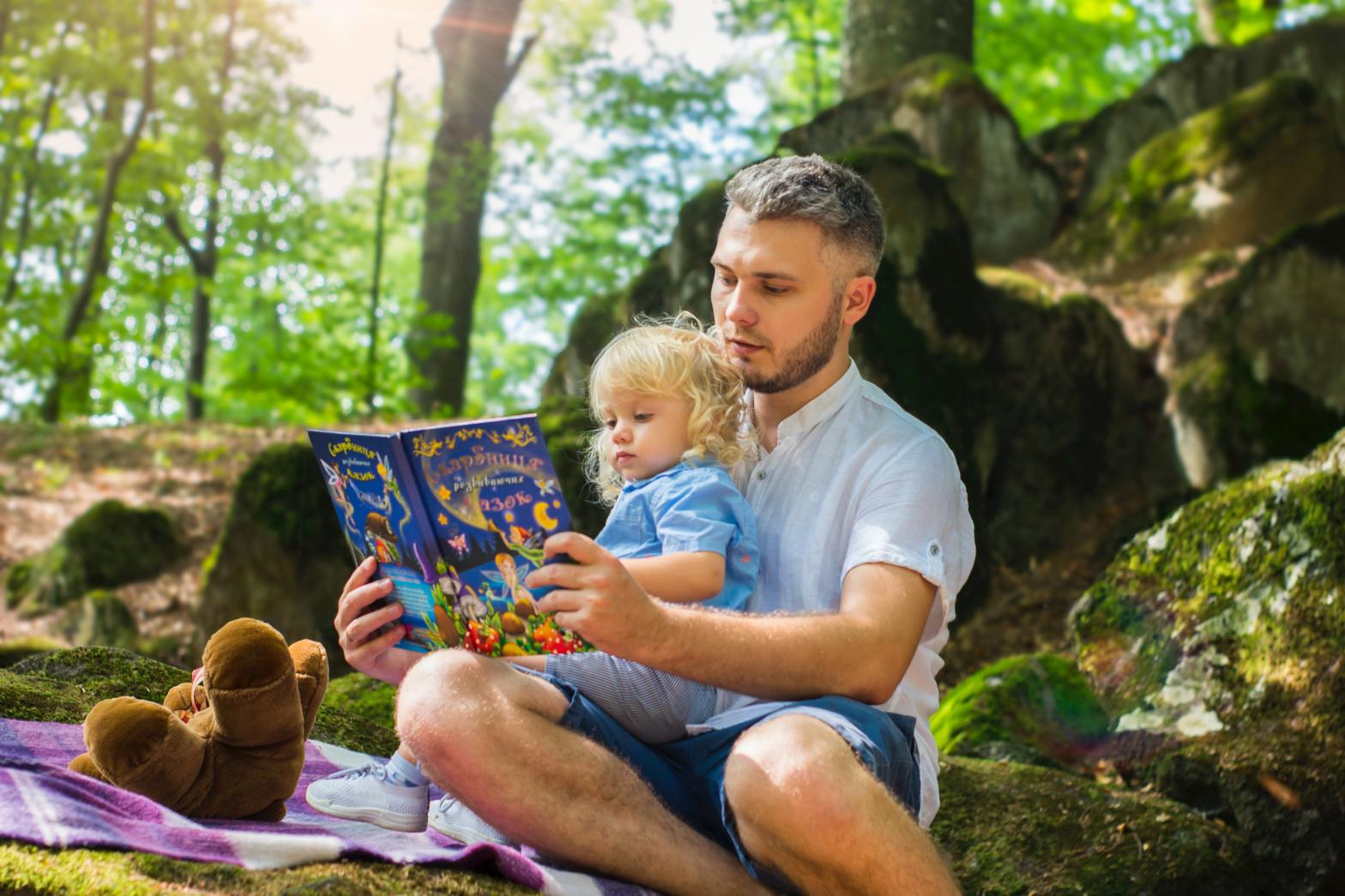
You can still derive many life lessons from reading Aesop’s fables, much more, when you read them aloud to a child. Here are some of the most renowned stories and what a child can learn from them:
1 – The Tortoise and the Hare
To sum it up, the story is about a Hare constantly bragging about his speed to other animals, to the point of challenging others in a race against him. A tortoise rose to the challenge, mocked despite being absolute.
As the story progresses, the hare seems to be at an advantage as he is laps ahead; but he gets too complacent and takes a nap. The tortoise trotted slowly and steadily without stopping. Next thing they knew, the hare woke up to the sight of the tortoise finishing the race while he was deep asleep.
It teaches readers not to give up. That it’s crucial to have courage and constant determination despite people trying to bring you down, children will find that valuable virtue as they grow up.
2 – The Ants and the Grasshopper
In the story, the grasshopper is portrayed as a carefree, happy-go-lucky creature often seen as lazy. That is because he spent most of his days singing and dancing. Meanwhile, a group of ants was busy all summer, enduring the heat to gather food for the upcoming winter.
The grasshopper only comprehended why the ants bother themselves with such hard work once he understood too late. The terrible winter came, and he could not gather food for himself. He was dying of hunger while seeing the well-fed ants for the season.
The moral of the story is there’s a time and place for everything. While it’s good to play and be merry all the time, you need to be responsible for many things too. This story teaches children to be diligent, self-sufficient and prepared for the future.
3 – The Dog and the Shadow
The story talks about a dog on his way home while carrying a piece of meat in his mouth. Crossing the river, he saw his reflection in the water and thought another dog wanted his heart. But the moment he opened his mouth, the meat slipped out of his mouth and floated away in the river.
If there’s anything that readers can learn from this, it is to learn self-control and contentment. While wanting better things may not be wrong, it becomes terrible when not controlled. No one should get ahead of themselves, get carried away by emotion, and fail to respond correctly. It will cost us dearly in the end by doing that.
Diving into “A Collection of Children’s Short Stories” by Ruth Nopson
Children are at an age where their minds can take them to many places. In their little world, they can conjure up stories and characters which eventually shape their personality. A good way for them to further develop that creative thinking is for your parents to read short stories for kids with morals by Nopson.
Author Ruthanne Nopson wrote a book titled “A Collection of Children’s Short Stories,” with a fun and exciting collection of different stories that aim to convey a good message to those reading them. Each character brings another moral lesson that helps the child become a better person.
 Oliver’s Twist