The dawn of a super-intelligent, machine-augmented future is the not-so-distant future that our present reality gazes into, mainly due to the fact that the rapid expansion of technology is so quick that the borders between science fiction and reality are slowly beginning to dissolve before our very eyes as we edge closer and closer to reality only previously conceivable by science fiction, zealous visionaries, and conspiracy theorists.
In fact, even in a whole lot of the technologies developed in just the past few years already exceed anything previously conceivable just 20 years ago. To put this into perspective, it’s important to remember that, from the year 2010 onward, humanity has propelled itself further into the cybernetic golden age than ever before, as more and more game-changing breakthroughs in technology roll out into service in any and all environments and industries.
Much like in The Madhouse Projects by Rick Badman, a 2002 novel in which the protagonist, Dick Thurman, uses his skills as an automotive engineer to create fly-wheel-power electric Indy cars which are raced at the 2037 Indianapolis 500 – innovation is the name of the game, and in his universe, Thurman and his wife go on to mastermind a handful of innovative projects that are carried out all around the globe in hopes achieving of a better society.
In this day and age, the leading minds of the industry are doing just that – innovating for the better good of humanity. Here are some modern technologies developed within the past decade that seem like they were written for a sci-fi plot – the innovations that have reshaped the modern landscape of many different industries:
3-D printers
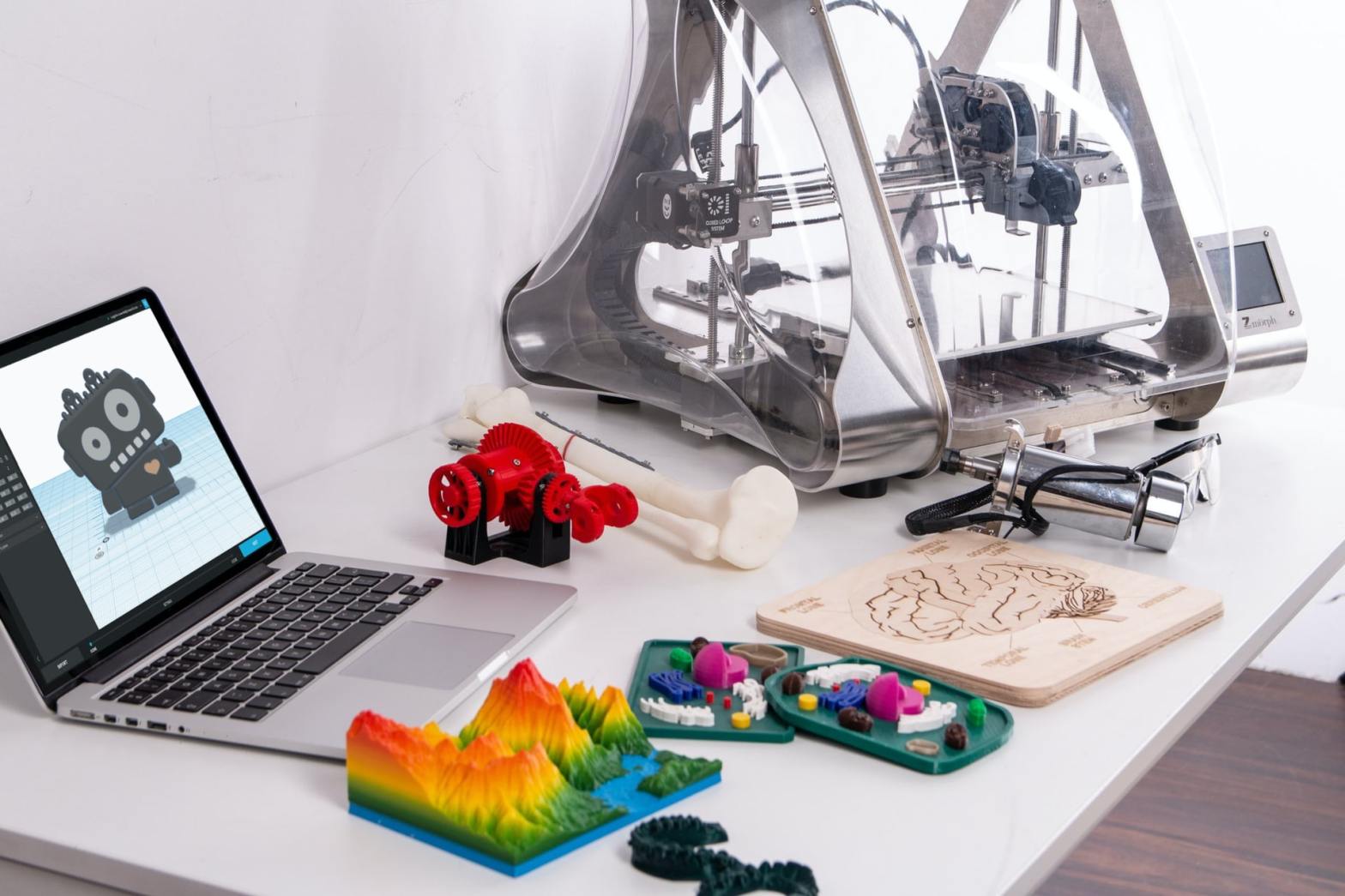
In Lee Cronin’s 2012 Ted-Talk, him and his team of researchers at the University of Glasgow have taken the 3D printer phenomenon one step further – they’ve developed a 3D printer that is capable of printing specific lab equipment for any specific experiment being conducted, and they call it “reactionware” – a technology that has the potential to revolutionize the way we conduct experiments. This technology implies that one day, we could even print our own pills and medication, for whatever ailment or illness they’re needed for. The possibilities are endless, as it’s now being used to create artificial organs and limbs, hearing aids, and any given nut, bolt, screw, or compartment of a wide array of appliances and machines. The implications it has in every industry on earth, especially the in the scientific community, is tremendous. Humanity has reached a point where you can literally print anything.
Artificial wombs
Scientists are currently pushing a moral and ethical boundary – a controversial one at that. Could gestation one day substitute the experience of natural human birth? Experiments conducted with lambs have proven successful, submerged in artificial amniotic fluid and suspended in a transparent plastic bag that serves as an artificial placenta hooked up to tubes and machines, waiting to be born by simply unzipping the bag. However, these baby lambs were not grown from the sack, they were taken from the wombs of their mothers by caesarian section. One day, this technology may replace human pregnancy – but the ethical intricacies are endless.
Artificial limbs controlled by the mind
Cybernetic implants that integrate with muscle and nerves to provide an experience somewhat reminiscent of traditional, good-old limb use is available for purchase, but obviously it isn’t cheap, and research is still in progress to add to and improve the function, smoothness, reliability, dexterity, speed, and accuracy of the mind-controlled arm, implying a brighter future for amputees everywhere. One day, people whose quality of lives were diminished due to an accident or wartime injury, will have a second chance at having a limb again.
In conclusion, science fiction has contributed to the advancements in technology as time passes by. Perhaps in its time of writing, it is almost impossible to make those amazing machines, incredible gadgets, and other cool inventions come to life. However, as the world continues to progress — technology also adapted to the changes and continues to evolve, making every fictional machine, devices, and gadgets have bigger chances to come to life in the future and contribute to the advancements in society.









 Oliver’s Twist