Meditations on The Moral Foundation of God: Why Faith is Declining

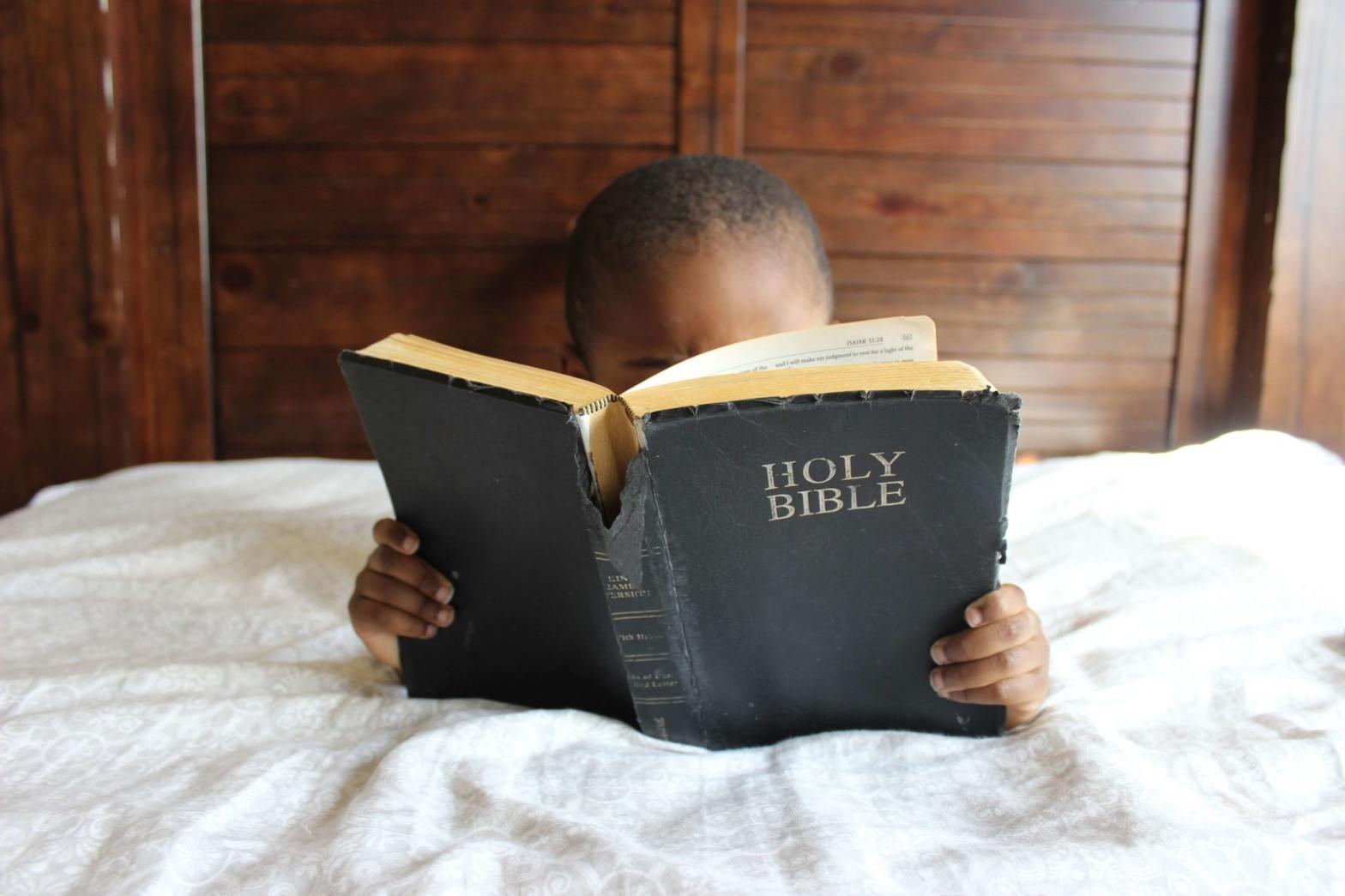
Photo by Luis Quintero

After reading Mosley’s book about God and His righteousness, Living Life with Blinders On, last December, I’ve been thinking about what having a moral foundation gives us.

There is a lot to be happy about in the modern world. Things are much cheaper than before; no longer are cars and televisions, and computers the purview of the rich and powerful. No longer are a good chunk of our fellow countrymen in bondage, and it’s not a miracle anymore to live past the age of forty. What’s more, increasing trade relations with other countries have made it so that we can experience each other’s cultures without having to go beyond our own nation’s borders. The internet has allowed us to converse with faraway family members and friends on the other side of the world! It has also helped the average person, you and me, to be at the forefront, always aware of what changes are happening in the world, domestically and internationally. It is truly a time to be alive.

But it does not come without its negatives. Because of the internet, it’s much easier for people to say abhorrent things and be platformed to potentially millions of people. People are no longer that invested in maintaining communities and traditions. Everyone is so gung-ho about everything. 

After reading Living Life with Blinders OnMosley’s book about God and His righteousness, I was made clear about what truly was lost in the modern world.

By far, the worst thing that has come to pass because of this unprecedented technological revolution is the fact that more and more people are straying away from God and His light. 

A more patient and relaxed mind would say this is because that’s the way things are working now.

Yet, that is not true for the rest of the world.

It is only true in the West. In the rest of the world, faith is actually on the rise! Faith is actually being strengthened and reinforced. Every day on the other side of the world, people are developing new ways of hardening their beliefs and becoming ever more faithful. 

This relaxed view that the world is simply changing presupposes that such a change is beneficial, but it is not. It is our faith in God that establishes our morality. He is our moral foundation, and the fact that we are slowly becoming lost to His grace is nothing short of tragic and destructive.

Why is it that the exact opposite is happening here?

I would like to take us back to the world of Post-World War II: the Allies had just won against the Axis Powers, and the world seemed like it was going to heal. But while everyone was licking their wounds, a new movement in philosophy was beginning to take hold in Western Europe, particularly in France and, more specifically, in the busy streets of Paris, which were just beginning to rebuild after months of Nazi occupation. 

This movement in philosophy would be known throughout the world as “Existentialism.” 

One of its most prominent proponents, Jean-Paul Sartre, coined the phrase “L’existence précède l’essence” meaning in English: Existence precedes essence. 

This was a thought-provoking statement at the time since the traditional view of things had always been that the essence of a being came first before it could exist in the world. Now, Sartre posited that the opposite was, in fact, the truth of things.

Things exist, and their essence comes after.

What made this statement quite dangerous was the profound effect it would have on the general psyche of the Western world. Before, the common man believed that essence was formed before his birth–and who made this essence? God, in His infinite kindness and goodness–but now, there was another view, one that said he was free to make his own essence. He was now free to stray away from the path of belief since he now believed there was no such path. If he was born without essence, he was born without the need for God.

You might already see where this statement leads today. Without the understanding and knowledge that God gifted us with our innate morality, what makes us human, man gradually separated himself from His grace, an action that is still continuing now.

If we are to return back to a healthy society where faith is the bedrock of everything, we must show the wayward among us the fault in their living. It will be an uphill battle, but is life not one of struggle?
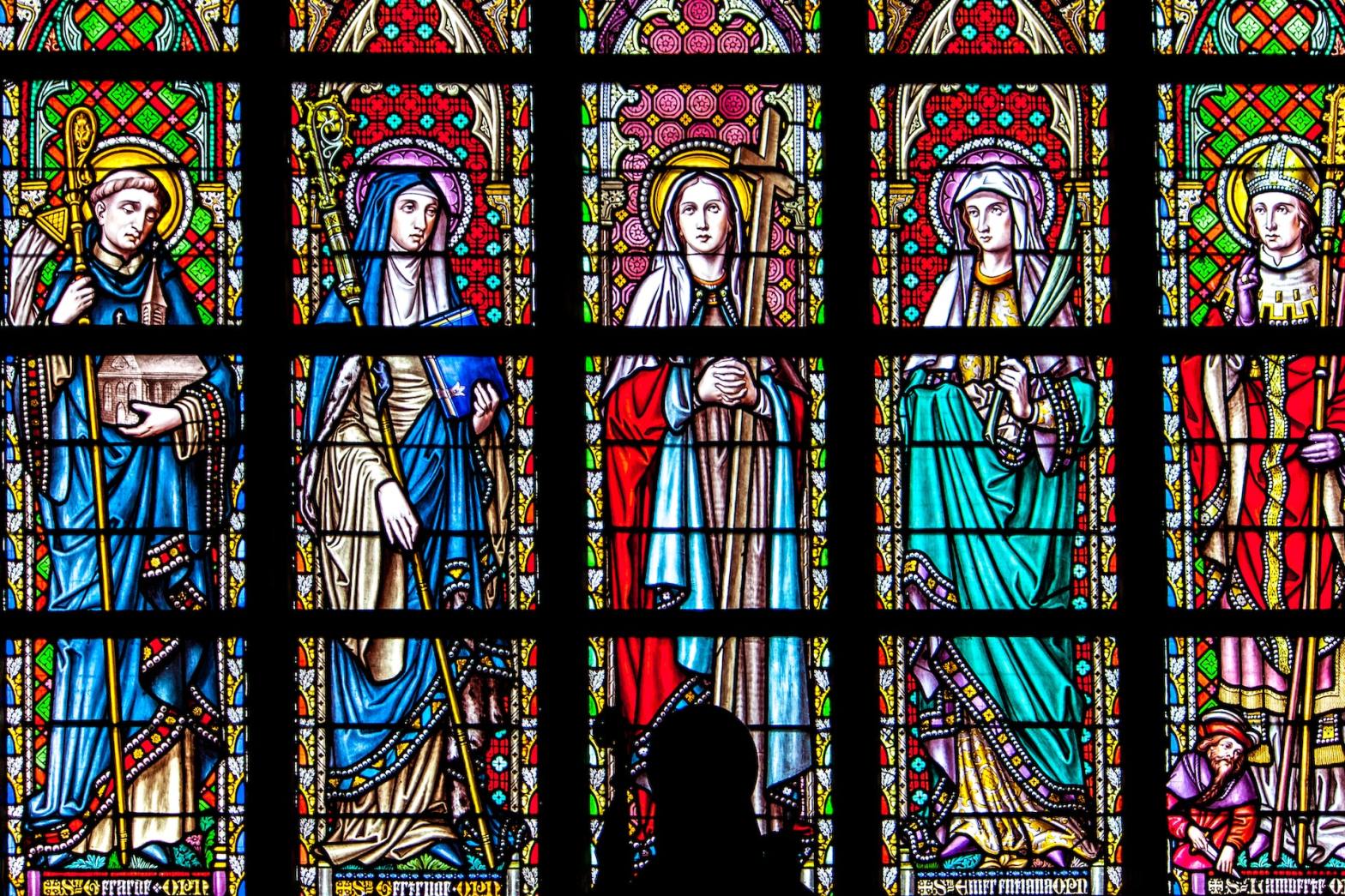

Thoughts on The Intersection of Art and Spirituality

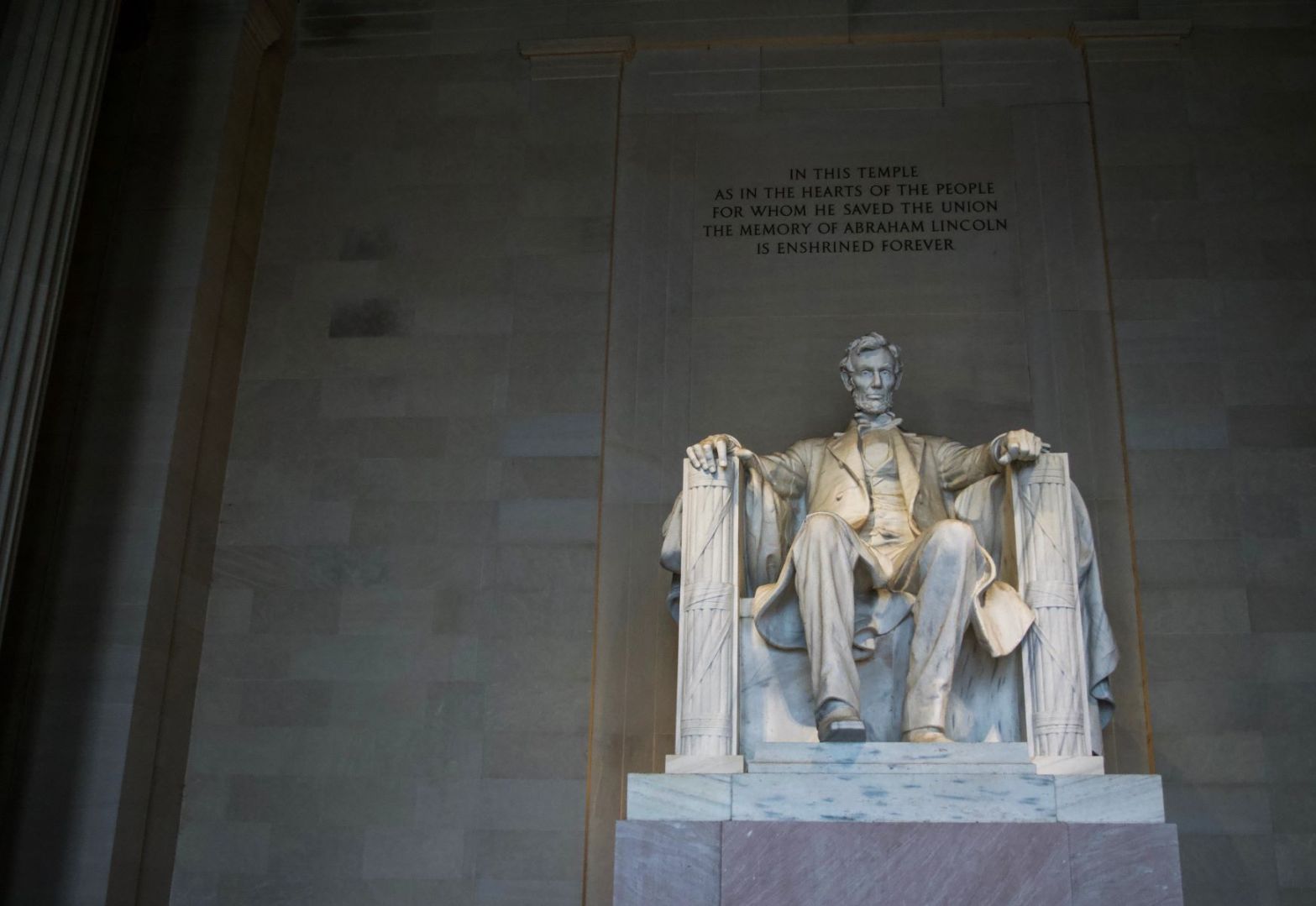
Photo by Paolo

I want to talk about how spirituality and art blend together in the gorgeous illustrations found in the art book Madonna of the Ways by Jeanne Tiefenbach-Henderson.

After going on a binge of visiting nearby art exhibitions and museums and scrolling through the internet to view virtual galleries hosted by prestigious institutions in countries that I have no hope of ever visiting (are you aware the Louvre has virtual tours?), I was awestruck and made contemplative by the many examples of religious art I saw. For every work of art that depicted something secular, there were two (or three, depending on the museum) that were religious in nature. Then in the following days, when I was lounging inside my rented room, I found an art book that was titled as if by a publisher that had been recently following my every move.

An odd coincidence.

Madonna of the Ways by Jeanne Tiefenbach-Henderson is the art book that I encountered. It is a collection of paintings of the Virgin Mary in various scenes, each accompanied by a short statement, a reminder of when and where we can find God’s grace. Madonna of the Ways is a lovely tribute to God and the Virgin Mary.

(Although I was a bit afraid of the coincidence. Imagine being inside the hotel room you have just been renting after having looked at plenty of religious imagery and then just happening on a book with the same themes you have been looking for recently. You would think you were being spied on!)

With everything in mind, except the coincidence, I was heavily preoccupied with religion and art and the resultant product of their union: religious art. But first, we have to define what religious art is.

The best definition I could find (and I am paraphrasing here) is that religious art is “any creative endeavor that seeks to express a theme or moral message associated with either a specific religion or broader spirituality; it can also be any work of art that attempts to venerate or center an important figure or event within the religion.”

If we are to go with that definition, which I think is a fine one, religious art simply means art that evokes religion in a frame that exemplifies it. This means that the intention of the artist to create the work is a sincere expression of their faith and belief. This is all well and good since it handily dismisses works of art that simply incorporate religious imagery without actually professing a conviction to the faith being seemingly espoused with the addition of those elements.

Now, why am I talking about all of this? Because I wanted to talk about the intersection of art and spirituality.

The Intersection of Art and Spirituality

When you begin to think about it, spirituality and art make quite very good and natural companions. If you look at the history of art, the earliest examples we can see are quite spiritual in nature, portraying rituals, animal-headed deities, and idealized, revered images of people (a la Venus of Willendorf); the earliest works of literature follow the same vein. The earliest form of music is the same also, heralding joyous festivity under the auspices of the gods and the like

With all this historical baggage, it really does seem that any attempt at creation fits naturally well with spirituality. As the most primordial medium of expression, art is the only way for belief and spirituality to be transformed and given to the masses. Through art, abstract thoughts and ideas are given shape and form either visually, aurally, or physically. 

What better way to advocate for a set of beliefs than through the senses? 

It is best to remember and internalize this idea: humans are creatures of the senses. 

We navigate existence with our ears and our eyes, and our touch, so having works that are representative of one’s beliefs provides a resonant effect.

So through art, spirituality, and belief are given a body that holds a reinforcing factor to the individual believer while also providing an anchor for groups of believers to congregate around and relate to each other. If you have been to a church, it is highly uplifting to be in the presence of other believers singing singularly. Have you ever visited a shrine, looking with awe at the paintings and the statues? Religious art is a very effective way of strengthening one’s faith.

And through spirituality, an artist can derive an explosive stimulus for inspiration and creativity. For many artists of intense faith, art and the making of it are spiritual journeys to become closer to divinity and attain a chance to see the wider truth of everything.

Understanding Fables And How It Helps Children Learn Good Morals

Photo by Andy Kuzma

Have you ever read animal stories as a child? Are fables still relevant in this fast-paced world where people now have shorter attention spans? Take the time to understand why we still need to read fables to our kids and the lessons they can pick up from them.

Fables are one of the most prominent forms of literature that primarily cater to children. It aims to teach positive morals through fictional prose and poetry, with specific lessons intended to send a message to the reader.

Typically, fables are short stories or folk tales passed down from generation to generation. And to distinguish a fable from other short story forms, here are some things you should take note of:

  • The main characters are animals or non-living objects that can talk or act like normal humans.
  • There’s an underlying moral lesson being told that’s usually placed at the end.
  • They are typically short, mainly two to three pages in length.
  • The characters don’t often go by humanistic names; instead, they’re named as is in the story.

A fable can’t be simply entertaining; they have to present something that even grown-ups can relate to or learn from. They play a massive role in history and are a positive reinforcement that brings cultural impact on society.

Because animals are used as the voice of reason in the story, compared to other classic literature that utilizes humans, fables have an unusual but positively unique way of conveying a moral message to every reader across all ages and stature. Each story’s purpose is to help readers understand cultural values in written form.

Getting to know Aesop

When someone mentions the word “Fable,” Aesop is usually the first thing that comes to mind. Who is Aesop, and why is this person significant in fables?

Believed to be born during the Ancient Greek period in 620 BC, Aesop was a storyteller of many mysteries. Despite being a person who writes with an open book, he is a man of unknown origins. Some say he was born enslaved in Samos; others say he’s from Athens, Thrace, Phrygia, and many more. Another speculation of his identity is that Aesop might be a pseudonym.

Regardless of how he came to be, there’s no denying that Aesop was a significant figure in classic storytelling that cemented a legacy in literature.

Famous fables and their moral lessons that children can learn from

Your child can learn many positive lessons from reading a story about a tortoise and the hare. Yes, they may be animals who, realistically speaking, can’t talk, think, or act like an actual human. But the crafting of their lives and how things unfold in the end make it a good turning point that could shape a child’s mind.

You can still derive many life lessons from reading Aesop’s fables, much more, when you read them aloud to a child. Here are some of the most renowned stories and what a child can learn from them:

1 – The Tortoise and the Hare

To sum it up, the story is about a Hare constantly bragging about his speed to other animals, to the point of challenging others in a race against him. A tortoise rose to the challenge, mocked despite being absolute.

As the story progresses, the hare seems to be at an advantage as he is laps ahead; but he gets too complacent and takes a nap. The tortoise trotted slowly and steadily without stopping. Next thing they knew, the hare woke up to the sight of the tortoise finishing the race while he was deep asleep.

It teaches readers not to give up. That it’s crucial to have courage and constant determination despite people trying to bring you down, children will find that valuable virtue as they grow up.

2 – The Ants and the Grasshopper

In the story, the grasshopper is portrayed as a carefree, happy-go-lucky creature often seen as lazy. That is because he spent most of his days singing and dancing. Meanwhile, a group of ants was busy all summer, enduring the heat to gather food for the upcoming winter.

The grasshopper only comprehended why the ants bother themselves with such hard work once he understood too late. The terrible winter came, and he could not gather food for himself. He was dying of hunger while seeing the well-fed ants for the season.

The moral of the story is there’s a time and place for everything. While it’s good to play and be merry all the time, you need to be responsible for many things too. This story teaches children to be diligent, self-sufficient and prepared for the future.

3 – The Dog and the Shadow

The story talks about a dog on his way home while carrying a piece of meat in his mouth. Crossing the river, he saw his reflection in the water and thought another dog wanted his heart. But the moment he opened his mouth, the meat slipped out of his mouth and floated away in the river.

If there’s anything that readers can learn from this, it is to learn self-control and contentment. While wanting better things may not be wrong, it becomes terrible when not controlled. No one should get ahead of themselves, get carried away by emotion, and fail to respond correctly. It will cost us dearly in the end by doing that.

Diving into “A Collection of Children’s Short Stories” by Ruth Nopson

Children are at an age where their minds can take them to many places. In their little world, they can conjure up stories and characters which eventually shape their personality. A good way for them to further develop that creative thinking is for your parents to read short stories for kids with morals by Nopson.

Author Ruthanne Nopson wrote a book titled “A Collection of Children’s Short Stories,” with a fun and exciting collection of different stories that aim to convey a good message to those reading them. Each character brings another moral lesson that helps the child become a better person.

What Kids Can Learn From The Book “Sun Lion” By Charlene Turner

Photo by cottonbro studio

The most important trait a child must develop that will impact their lives is loving themselves and having the confidence to face anything. In this book, author Charlene Turner aims to teach these valuable lessons so children can be their best authentic selves.

We all know that kids have varying personalities – many of them are shy, and they would sometimes rather keep things to themselves or run around with complete confidence like a fully charged battery. Their differences all make them special and unique.

They are the type not to hesitate when necessary, but at the same time, they ask many questions to make sense of the world around them. And as adults, especially parents, we bear a huge responsibility to teach them what is right and wrong.

We want them to grow as righteous people who will contribute great things to the world – and sometimes, we want them to do well in their way and be happy. But more often than not, children undergo hardships the same way as adults.

What can we impart to these kids so they can face life’s trials?

What to learn from the book “Sun Lion” by Charlene Turner

Children’s books are meant to teach us something about life. Children will eventually realize that moral lessons like courage, love, and authenticity are lacking in the real world. That’s why as early as now, they should have proper guidance, not in a way that is suffocating and uptight.

The essence of self-love and confidence

It should be more of a way that allows them room to grow and become people for whom their future selves will be grateful. And the book Sun Lion by Charlene Turner surely packs a lot of the following lessons:

It’s never easy to face the ugly parts of ourselves. Parents may not know this, but children are conscious of their looks, behavior, and interactions with their peers – at least sometimes. As reckless as they can be, they have moments where they want to put their best foot forward.

And so when they realize that they hate something that cannot change, they unknowingly feel a sense of self-loathing. They feel like they won’t get any friends and become emotionally and psychologically traumatized by the exclusion they sometimes experience.

No child should ever go through challenging moments. But sometimes, it just can’t be avoided. On the surface, this may appear to be a petty problem. But adults should also acknowledge this and see it as a potential risk to the child’s emotional well-being. If they continue to nurture that self-hate, it can manifest in the worst ways possible and affect their self-esteem.

Teach the child to care for themselves the way they’d care for someone. Put it into their minds that even at a young age, recognizing beliefs that society has embedded doesn’t necessarily mean they’re true.

Remind them of the beautiful things they can be when they feel they’re not good enough. That may not raise their self-esteem and make things better right away. Let them know it’s okay to put their negative feelings out in the open and wallow them. But it’s also crucial to teach them that they cannot stay that way.

A child can retain everything that’s said to them at times, especially if they’re about themselves. So as a leading influence in their lives, we must speak words of encouragement and treat them with the same kindness we want to be treated with, lest they will remember it for the rest of their lives.

Getting to know the author

Growing up, Charlene Turner was diagnosed with dyslexia, anxiety, and depression. As young as she was, living a challenging life wasn’t easy, given that she had them at a very young age. Turner was a formidable warrior who fought these constant battles and had to undergo medical rehabilitation.

She also consulted a wellness therapist for the past eight years to help cope with what she’s going through. This book became her avenue for expressing her thoughts and feelings regarding what it is like to lack self-authenticity and confidence.

Charlene Turner understands that children are vulnerable and have the same experience as her, making her empathic towards them. Writing this book became somewhat of a way for her to let every child know that they’re not alone and still have a chance to be the best person they can be.

Starting the Path with Genesis: Living Life With Blinders On

Photo by nappy

Living Life With Blinders On, a book by Dr. Julius Mosley II, is an account of personal revelation, reminding readers that there is certainty and security in following God’s divine plan.

The focus of contemporary biblical study among Christians is usually on the New Testament, which is unsurprising considering it is where the bulk of Jesus Christ’s teachings are. Still, there are lessons also to be learned from the Old Testament, whose stories tend towards the more historical and visceral as compared to the Gospels. In the Old Testament, Christians are introduced to Abraham, and Moses, the old prophets who spread the word of God before Christ descended and then returned to heaven.

In pursuing truth, knowledge, the meaning of life, and the grace of the Lord, it is always good to have a beginning; what better place to start with than the “beginning?” Bereshit (“In the beginning”) is the first word of the bible in Hebrew, where Christians can learn the essential points of Christianity and faith and be better followers of God.

Then God said, “Let us make mankind in our image, in our likeness, so that they may rule over the fish in the sea, the birds in the sky, the livestock and all the wild animals, and the creatures that move along the ground.” Genesis 1:26

Before creation, there was only God before anything could begin and become; at the beginning of time, He created heaven and the Earth. These were followed by the inception of light, which He divided equally into night and day cycles. Within six days, He had separated the sky and the sea and created dry land and the continents. Then, He ushered in the plants and the animals, winged, crawling, hooved, scaled, air-breathing, water-dwelling, until at last, before resting, He created humanity, who counts Adam as the first man and Eve, the first woman.

The reality that God created humankind in His likeness, whether in body or mind or soul or all three, means that everyone has the potential to become great and be admitted into the gates of heaven. These two attributes, at the least, prove God’s divine spark in every human, allowing them to communicate with Him and be infinitely closer.

The realization that God created everyone in His perfect image reminds people that whenever there is uncertainty and darkness, He has a plan for each person. Your life may not fully track the same as that of others, but know God Himself has planned it all out for you—that for all the faults and wrongs of life, there is something at the end waiting for everyone if they choose to take it.

“Surely I was sinful at birth from when my mother conceived me.” Psalm 51:5

When Eve was tempted by the serpent and did the same to Adam, eating from the Fruit of the Tree of Knowledge of Good and Evil, humanity had acquired original sin. Thus, did God send Adam and Eve, and consequently humankind, out of Eden, out of paradise.

Sin is not merely disobeying God but knowing what is good and what is evil, yet still choosing evil over good. Sin is the rejection of the goodness of God and the embrace of evil. Through this capacity for sin, humankind was denied immortality and bliss under the shadow of God. Sin has been a part of human civilization as far as anyone can remember.

It was sin that caused Cain to murder Abel when God preferred the latter’s offerings. It was sinfulness that forced God to rid the Earth of corruption with the Flood. It was sinfulness that the tower of Babel fell. Sin plays a profound role in the story of humanity.

Yet, despite this fact, many attempts to justify their actions. I am not sinning, they say, but simply stating so does not negate the fact that sin is intrinsically tied to being human. It is the height of impiety and arrogance that one is incapable of sinning when it is natural for humanity to do so.

But this does not mean that everyone is doomed to an eternity of hell, merely that acknowledging sin is the first step to salvation. God is merciful and waits for all His children to repent and accept His plans for them.

Dr. Julius Mosley II

Read more on how to continue forward with God’s plan in Dr. Mosley’s Living Life With Blinders On, a thought-provoking account where his own experiences with near death are examined, serving as a warning of what life may be without the guiding presence of the Lord.

Meditating on Adventure: A Collection of Existentialist Poetry

Photo by Quang Nguyen Vinh

Reflections on Mountaineering is a book about the psychology of adventure and the surprising realization that the issues people regularly face are also present on the mountains’ high slopes.

In Alan Goldman’s pensive collection of narrative poetry, Reflections on Mountaineering, each passage, a musing on how life and the sport of mountain climbing intersect, evokes readers’ thoughts on struggle and existence and what it means to be human while pushing oneself beyond their limits.

Goldman’s Reflections on Mountaineering can be seen as experimental. With no overarching structure, each piece is written either in traditional rhyming schemes or in the style of prose poetry (see Russel Edson’s works for examples); or free-flowing blank verse.

The plainness of its language delivers the insightful voice of a sage, a hermit on the mountaintop waiting for a climber to reach him. Goldman’s verse elicits the stylings of a well-remembered university professor whose words draw their students in, imparting kernels of truth into their psyches.

Beyond an anthology of poems, Alan Goldman’s Reflections on Mountaineering is also a book about the psychology of adventure, full of musings on why people venture out of their comfort zones.

Reflections on Mountaineering invites readers to meditate on the profundity of life and the joy of living, all without the exhaustion of climbing mountains.

More than verse, each poem in this complex anthology will leave readers thinking and contemplating on life for hours on end, like being given a koan by an old ascetic—and here are just a few excerpts from Reflections on Mountaineering:

Awed Humility

Your majestic wall of alpine splendor momentarily freezes our will to strive

Depicting a near-unscalable mountain, Awed Humility captures the awe mountaineers feel when climbing the often deadly and steep slopes of great mountains; it is a reminder that despite the ascendancy of man over himself, nature still looms far above.

Mountain of My Dreams

Ah, the mountain of my dreams, will you spur me on to achieve the impossible

Mountain of My Dreams will resonate not just with climbers but any sportsman or anyone with a drive to succeed. There’s a mountain inside of everyone that they all must overcome to reach whatever summit hinders them from their goal.

Wonder and Embrace

Ah, the lure of these big things and the insignificance of my form

Another meditation on humility, Wonder and Embrace recollects the drive of adventure most people have and the majesty that permeates the world, drawing humanity to witness their beauty and always to persevere.

The Freedom of the Hills

Peering from my tiny ledge, I see the creatures below, carrying on like ants

In mountain climbing, as one scales the ridges and stands atop the peak, a sobering emotion rushes throughout the body, and The Freedom of the Hills portrays this succinctly. It is a stark realization that there is freedom beyond the petty problems of society, that there is a larger world, a freer world possible—but only if it is allowed to grow.

Being and Nothingness

Existential act of impressing meaning out of nothingness

Deeply existentialist in its themes (and titled after the philosopher Jean-Paul Sartre’s most influential work), Being and Nothingness reflects what it means to be human. With lines referencing the existentialist doctrine of “existence precedes essence” and the idea of imposing meaning on a meaningless world, it is a piece brimming with life and the hope of adventure.

Early Winter Winds

Did I overstep something unwary

This piece is short and understandable, but within its lines is an encouraging sentiment of will and ambition—that beyond struggle, there is always a prize, whether physical or spiritual.

My Soul Lures Me Higher

Inside my soul that lures me ever higher, no matter how hard the fall

My Soul Lures Me Higher is a humbling but invigorating passage on the ever-striving spirit of humankind, that whatever world people find themselves in, whatever peak, people will always be driven by adventure.

What are the Friendly benefits of Influencing Children to Read?

You must first anticipate a scene in your head. Choose a book that is enjoyable and child’s friendly. Sit down on your favorite couch or chair with your child on your lap, and open the first page with ease and gently. 

You begin to read as gently as possible, with the softest voice you can produce. See that your child is already captivated by the story. Isn’t it magic seeing the child intrigued and hooked by your words? And what’s even better is to know that your child isn’t just having the best time listening to you; they are also learning!. Having said these, here are the friendly benefits of influencing children to read :

Helps Build Attachment 

Reading provides a beautiful opportunity for you and your children to form an attachment. It is also an excellent way to spend time together and slow down from hectic and busy schedules. Reading with your kids also is an excellent way to spend the weekend with some extra fun and worthwhile. While some people think that reading is a tiresome activity to engage with, it is very critical to engage with some children-friendly books like Ladybug Children’s Book who, in some respect, would give a different experience while enjoying with your little pals.

Helps Enhance Listening Skills 

Hearing a story read aloud involves some level of comprehension on your child’s part. And understanding is dependent on paying attention-in. In other words, listening skills. While reading some good books, different experiences can acquire many good results for children through reading and listening. These also provide entertainment value, like silly voices, music, and other embellishments. 

Helps Develop Language Development and Expand Vocabulary 

Reading and listening to someone while reading is the best practice for children to develop their language efficiency and expand their vocabulary. Since books are made of words and languages, we speak and use them for communication. Children can also learn a lot of words that aren’t familiar before. By expanding their vocabulary skills, they can express their selves much better and be fluent in written and verbal skills very quickly. 

Helps Develop a Longer Attention Span. 

You have probably dealt with distracted children at story hour. But you may also notice in the long run that regular reading gets them listening and starting to comprehend every word they hear. And when they are listening, they are more likely to sit still and comfortably, develop a longer attention span, and even work on other mental exercises such as remembering memory-retention skills. 

Helps Develop Their Creativity

Books and life stories open up various concepts and new possibilities for a young, seamless, and uneven world of a child. Yes, there are a lot of books out there that represent the fundamental ideals of the world and its darker sides, but certainly, what a child needs is something that represents the loving and straightforward creation of nature that reflects the possibility of solemnity and order amid the everyday chaos in the world. Children develop Creativity when they know the essential requirement of being creative: imagination. And by reading, they can enhance their imaginative persona and widen their world, making them more observant and building the thirst for knowledge and everything life has to offer. 

Helps Provide Life Lessons 

Books provide suitable life lessons and opportunities to open the real world to a child. Reading books, especially books that are child-friendly and don’t just entertain kids but introduce them to some simple circumstances that become their baby steps going into the natural and challenging world when they grow up. 

Helps Cultivate a Lifelong Love of Reading. 

Reading, as we all know, is the key to lifelong learning. If the person loves reading as early as possible, a commitment to lifelong learning will surely be part of the child’s life. When it comes to reading with children, not just the close bond with them but reading the children is truly the single most single-most-important activity for building these understanding and skills essential for reading success that the child will carry with them throughout their life.   

Why is Bookshelf Is So Important? 


Books play a fundamental role in learning. Even before, libraries have been an essential source of important books that are crucial for cultivating the human mind.

Since the ancient Roman Empire, libraries had the purpose of storing different kinds of information, such as historical, literary, musical, and military documents. Nowadays, libraries provide resources and services for literacy and education to anyone who needs access to information. It helps individuals to widen their network and become part of a broader community of readers.

Importance of Books in Nation’s Development

Essentially, Having a library supports the unending education of humanity. It is synonymous with education and offers countries learning opportunities that can fuel economical, social and cultural development.

Books as a Builder of a Healthy Environment 

Speaking of community, libraries build healthy and productive communities by supporting all kinds of literacy at all stages of life. There are a lot of innovations happening, but the fundamental importance of libraries never changes. In fact, the duty of libraries in society grows more and more every year. This means the significance of libraries in our lives has been increasing and will indeed prosper in the future.

Books As An Encouragement for People to Read 

A building of books invites people from many walks of life to read and discover something about themselves. Even in a simple library or even on a bookshelf, there are a lot of things that can be learned and reflected. This is something that people should realize: how books can change how they see things in the most positive and godly way possible. Efforts like jamie’s bookshelf about encouraging others to read is a highly praised venture that helps people realize how books can change how they see things in the most positive and godly way possible.

Books as An Ambiance for Learning

The ambiance in public and the home library is so different from the other areas that can be placed for relaxation and hanging out with friends. The silence of the library and the beauty of piled books can help readers be at peace and focus on what they are reading. It can create an atmosphere for learning and meditation.

Books as an avenue for Accessing Technology

In addition to the growing importance of computers, most libraries now have electronic books or “e-books” that can be useful as physical books can offer. Libraries now have devices that you can use and also provide free Wi-Fi and internet access.

Books as a Source of Entertainment 

Books can also be a source of entertainment. Public libraries and bookstores nowadays become a venue for book launches of contemporary writers who are famous and prominent in the different Literary genres they are writing. Most of these writers are famous because of their honesty, reflection, and kindness to their readers, that are dear to their hearts.

They know how to pierce the heart of their readers and know what they want to read and need to know about the society that they are living in today. Library, in some respect, has become a vital role in being a medium for these books that stands out amidst the advent of the internet. Libraries will strive and will always be as long as there are devoted readers who will preserve and still love the aesthetic pleasure that a pile of books brings and still celebrate the glory of human passions.

Books as a Repository of History 

A library can act as a museum, displaying the type of information. It is not the only source of books and everything that are informative and beneficial for students but also a repository of stunning and extraordinary histories.

Books as a Merchant of Life Lessons 

Libraries are one of the few places in the world that can affect and changes lives and better improve themselves for the better. In the library, there are a lot of things that can be done. People can learn different aspects of human lives, including topics about depression, alcoholism, financial planning, how to fix something, or even how to find a job. Books offer a door for one and all, of every age and group of people. It provides free education and always committed to influencing lives to improve through the cultivation of the mind of the masses.

Books as a Gate to the World of Wisdom

A library full of books can open the mind of someone who wants and is passionate about reading them. It can help them be aware of numerous things, either experienced or imagined by human intellect. A man needs to know his place in the world and what it really means to become one of the things that constitute the universe’s workings. In other words, books can be an eye-opener for man to know his place in the universe.

The American Civil War: Reasons and Belligerents

The American Civil war was the bloodiest in the history of the United States. This includes all the wars and conflicts the American Military Force has involved themselves in, and believe me, the United States gets involved in a lot of them. From the First World War to the Second World War, and even counting the Vietnam War (arguably the only conflict America has ever lost), nothing still beats the bloodshed in the battle that was fought on American soil.

A civil war. By definition, is a war that is fought between fellow citizens split between two groups. For this reason, civil wars are often considered as battles for the soul of a country. In the case of the United States, it was a battle between “the North” who remained loyal to the Federal Union against the “the south” who wanted to secede from the Union. It was the Union against the Confederacy. In the end, it was a war that affected the soul of the United States deep at its core. A glimpse of which you can read about from countless novels such as Francis Dutch’s Book about civil war and countless others. 

Reason for the War

 Wars are not fought for no reason at all. Usually, it is because of opposing ideas that the two sides cannot see eye to eye. This time, it was for the sake of slavery, a problem tha\t has plagued the country even in its infancy. However, this time, the stakes are much higher due to the Louisiana Purchase and the Mexican-American war.

The Louisiana Purchase was an event that allowed the United States to expand its territory westward. This was done by purchasing approximately 828,000 sq mi of territory for fifteen million dollars at that time from France. Part of the territories included was the Mississippi River and the port of New Orleans, two areas that then-President Thomas Jefferson really wanted to acquire.

New Orleans, where Louisiana is located, was incredibly enticing as it was a port that opened out towards the sea and was thus connected to the whole world. However, it was also one of the ports that were part of the Transatlantic slave trade. Therefore, abolishing slavery would mean a loss of income for slave traders in this territory.

Belligerents

The country was divided into two sections during the civil war, the Confederate South and the Federal Union located in the North.

The Federal Union

 The Federal Union was commonly called the North. The United States was led and presided by Abraham Lincoln. It was so named for its goal of preserving the constitutional Union of the United States. It consisted of 20 free states and five border states. These states included: California, Connecticut, Delaware, Illinois, Indiana, Iowa, Kansas, Kentucky, Maine, Maryland, Massachusetts, Michigan, Minnesota, Missouri, Nevada, New Hampshire, New Jersey, New York, Ohio, Oregon, Pennsylvania, Rhode Island, Vermont, Virginia, West Virginia, and Wisconsin.

Delaware, Kentucky, Maryland, Missouri, and Virginia were border states with slavery in 1861. Despite that, the majority of the Union aimed to abolish slavery. Hence, they were often called abolitionists.

The Confederacy

The Confederate States of America, or simply the Confederacy, consisted of Eleven states that declared their secession from the Union. These states included South Carolina, Mississippi, Florida, Alabama, Georgia, Louisiana, Texas, Virginia, Arkansas, Tennessee, and North Carolina. These states were heavily dependent on agriculture, especially cotton farms. Their plantation system relied upon enslaved Africans to do the work around them. The abolition of slavery will shake their economy to the very core.

The End of the War

 There was never really a clean end date as to the conclusion of the American Civil War. Although it was supposed to end effectively with Confederate General Robert E Lee’s surrender to Union General Ulysses S. Grant on April 9, 1865, there were still land forces who continued to surrender until June 23 of that year.  

President Abraham Lincoln, who was the leader of the Union, was killed by John Wilkes Booth just five days after Lee’s surrender.

The result of the war was the devastation of much of the South’s infrastructure. The Confederacy collapsed, and true to their goal of the Emancipation Proclamation, slavery was abolished.  

The end of the war also paved the way for the reconstruction era, a time when freed slaves were partially granted their civil rights.

Political Fiction, Dystopias, and Utopias

Political fiction is one branch of fiction where it might be challenging to write in. One can simply set out to write one, or they can just stumble upon political themes organically while writing about an entirely different piece. For political fiction, the setting almost always stands out. More often than not, political fiction, political novels included, is usually set in bleak settings or dystopias rather than their opposite utopias. For political stories, totalitarian dystopias are even more common. 

George Orwell’s Nineteen Eighty-Four, Ayn Rand’s Atlas Shrugged and The Fountainhead, Aldous Huxley’s Brand New World, and Joseph Heller’s Catch-22 are some more famous dystopian political novels. Ray Bradbury’s Fahrenheit 451 tackles themes of book burning and censorship, the latter being a significant issue until today. P. D. James’ 2006 novel, The Children of Men, is about a human race that has become infertile, seeps politics throughout its run. The Political Fiction on books of OMAI (Old Men and Infidels) series by author Walter Clark Boutwell is also dystopian in its setting. It seems like both politics and dystopia are married to each other.

What is Dystopia?

Dystopia comes from the Ancient Greek δυσ- which means “bad” or “hard,” and τόπος, which means “place.” Hence, dystopia can mean a bad place. Dystopia is defined as a speculated community or society that no one desires. It could also mean a frightening community or society. Usually, it is treated as the opposite of Utopia, a term that was coined as a title for Sir Thomas More’s most famous work. Utopia is also a political novel.

The characteristics of a dystopia usually include a society full of paranoia. In these settings, rampant fear and distress run as an oppressive and totalitarian governments rule with an iron fist. Dystopias can also be caused by environmental disasters as well as other cataclysmic declines in society. 

Dystopia and Politics

Due to the inherently bleak character of dystopian settings, they usually become instruments where authors study political ideology. Take Orwell’s Nineteen Eighty-Four, for example. This novel which is set in an England controlled by a totalitarian government, explores the dangers of total and non-stop surveillance. It also examines as to what happens to a society when a group has control of what people are allowed to think and perceive. It is a novel that bravely asks the question of what happens if members of a society are relieved of their individuality.

Speaking of control, Aldous Huxley’s Brave New World is another novel where one central group controls something that should be not. In this case, it is technology. Both of these novels are often compared to each other. 

Utopia and Politics

Though not as popular setting, Utopia is also very political in nature. As stated above, the term first gained popularity as the title of another political novel by Sir Thomas More. The concept of Utopia seems to start at the origins of political philosophy, which is Plato’s Republic. As such, it is only natural for utopian stories also to be inherently political. Utopias usually present an idea and then go on to show a world wherein this idea is followed and what kind of society it brings. As such, utopias generally offer a world that is more ideal for the population.

Utopia, Dystopia, and Political Fiction

Political fiction aims to show, demonstrate, or examine political ideas. A political fiction author uses dystopia as a way to show people a world where harmful or dangerous politics such as censorship, authoritarianism, or totalitarianism reigns supreme. As such, it tries to move the reader in a direction of change. This change may be slow to come. Too slow, and people might forget the reason as to why they should keep to their ideals.

This is where utopias come in. If dystopian fiction serves as a warning if things do not change, the utopian fiction does the opposite. It allows the reader a glimpse of an idealistic society. It lets positive politics spread its wings. Thus, it inspires the reader to keep on coming for that change. 

Nevertheless, both dystopian and utopian fiction can either bore or interest the reader. If executed properly, they can bring inspiration to readers as well as stick to their minds. Executed poorly, then both utopian and dystopian political fiction can be ridiculed or just treated as propaganda. The results are really just up to the author.

Design a site like this with WordPress.com
Get started