There have been significant influences on living things by science and technical advancements. Many households would expect to lose one or two children to illness back in the late nineteenth century. Currently, the loss of an infant due to sickness is unlikely in the Western World and other developing economies. We depend each day on inventions that are facilitated by applying scientific expertise and methods. The machines and mobile phones we utilize, the vehicles and aircraft we fly in, the drugs we consume and many of the products we buy were primarily created by through calculated innovation. Science has increased the quality of human life, allowed our species to explore the orbit of our planet, and has provided newfound perspectives towards our own origins and the origins of all existence.
For scientific research, evolutionary biology is and has been a significant branch of study. Science has documented many of the significant improvements made towards human well-being through studying the evolutionary course of mankind’s history on earth, including its impact on human disease prevention and care, the invention of innovative agricultural commodities, and the creation of technological advances. More commonly, evolution is an important component in biology focused on the observation of historical living beings as well as the analysis of the association and variety of existing species, and a thorough explanation of the scientific method solidifies and reinforces this belief. In the life sciences and in medicine, the innovative breakthroughs being achieved currently depend on concepts arising from an understanding of evolution.
The analysis of accurate, developing geological evidence and, equally significantly, the implementation of new biochemical and pharmacological sciences and technologies in the research of evolution contributed to this interpretation. As with all studies s n, several interesting questions persist, which also persists in any and all dynamic fields of science. Modern science has allowed us to observe and analyze some of the continuous development currently ongoing in research that answers inquiries related biological and evolutionary development.
However, statistics indicate that a significant amount of individuals in a nation-wide study have been shown to have concerns, doubts, and second thoughts about our biological creation and the facts that surround it. Modern science’s widely-accepted theory of evolution is still perceived by some scientific minds to be insufficient, false, or inaccurate. They might have been doubtful that this highly extraordinary arsenal of living organisms could have been created by the natural phase of biological evolution, including the existence of microscopic organisms, marine animals, plant life, basic sponges on marine ecosystems, and the existence of humans who are able to ponder the life cycle of this world with sentience and active consciousness – a mind-blowing facet of the human condition that is fascinatingly mysterious to behold. Some might question whether evolution is appropriate to believe while simultaneously maintaining religious values that should still be adhered to.
There are other modes of understanding the world around us without using science. However, science is a body of knowledge that varies in its reliance on scientific data and hypotheses from any other method. Due to the relevance of biological evolution in social relations, this particular has also been a controversial theory since it was first proposed in 1858, as was the origins of biodiversity – particularly that of mankind.
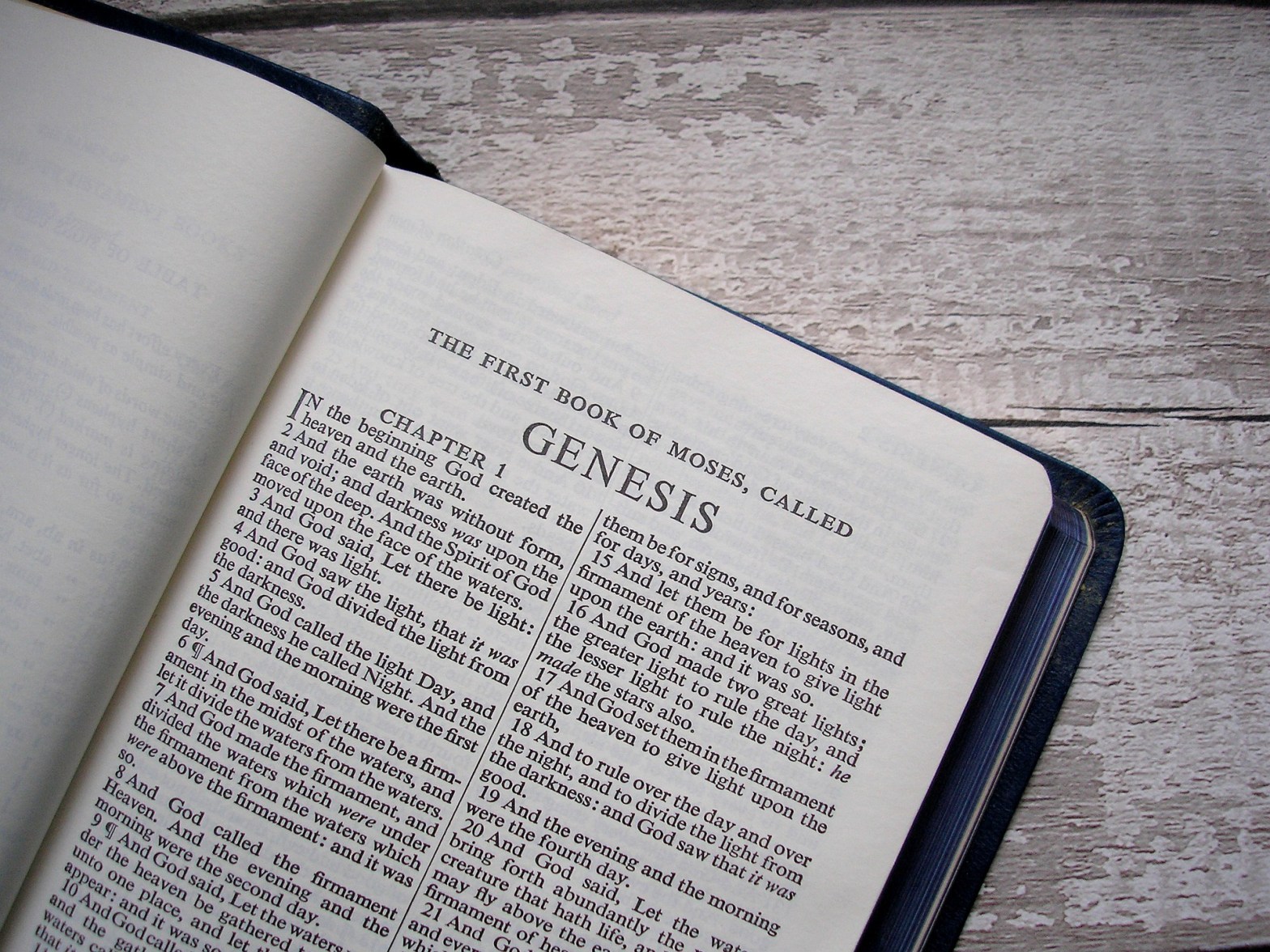
Acknowledgement of proof of evolutionary development can be consistent with spiritual doctrine. Today, many religious organizations agree that, throughout eons of Earth’s history, evolutionary theory has generated the complexity of many different life forms. Some have made claims to observe that evolution and the values of their religion are synonymously intertwined. Researchers and religious scholars have spoken articulately regarding their apprehension and awe at the history of the human race and of life on this earth, arguing that they see no contradiction in their trust in God and the facts of evolution. Religious groups which do not recognize the phenomenon of evolution appear to be those which believe in a purely literal interpretations of sacred scripture, conforming to the bible down to the most literal sense, even embodying the physical aspects of what appear to have been symbolic or figuratively representational in nature.
With this being said, it’s important to acknowledge that even scientific researchers and believers in the theory of evolution may continue to believe in a deity if they please, since many facets of science intertwine with that of spirituality based on perception and understanding.
 Oliver’s Twist