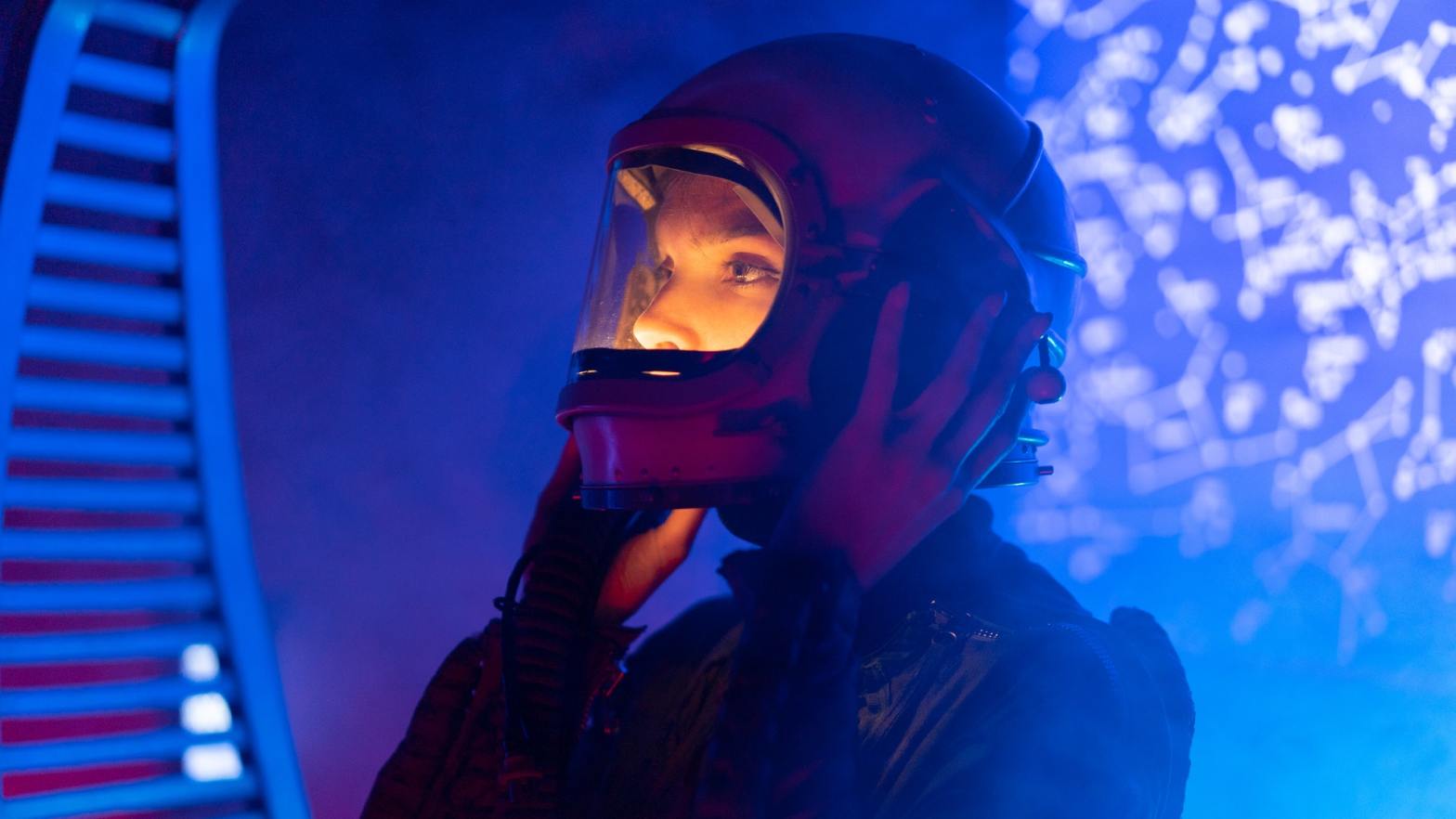
From books to movies, science fiction has always been popular. Every story’s awesome and extraordinary concepts and themes greatly contributed to its growing fame in different industries. Moreover, sci-fi in literature refers to the particular speculative fiction category with a bunch of imaginative elements and various themes. The common denominators of every SF story are that they use scientific and technological innovations and are set in a futuristic setting.
In today’s day and age, there are already a wide array of books in science fiction that have captured the interest and hearts of the readers. 1984 by George Orwell, The Martian by Andy Weir, Cyberbrain: Guardian Angel by Benoit Blanchard, Edge of Darkness by Kyla Stone, The Hunger Games by Suzanne Collins, and Dune by Frank Herbert are some of the best scifi books of all-time.
Moreover, let us know more about science fiction by looking into its different characteristics and subgenres.
Traits
Science fiction books include various futuristic motifs and concepts, which lead readers to put their imagination to work. Because of their rich and fun ideas and elements, both soft and hard science fiction greatly appealed to the bookworms. What could be the common characteristics that made readers more invested in these types of books? Here are the aspects that you can observe in many SF novels:
- Parallel universes
- Extraterrestrial creatures
- Space exploration
- Mind control and telekinesis,
- Time travel and teleportation
- Interplanetary battles
- Artificial intelligence
- Cryosleep
- Space pirates
- Alien artifact and remnants
- Clones
- Body modifications
- Interspecies romance
The listed elements are the things that enhance the overall impact of the stories that allow them to look into more significant themes, tackle societal issues, and infuse commentaries. These characteristics, therefore, play vital roles in every sci-fi novel and add to the strength of each story.
Subgenres
Like every other genre, sci-fi also has interesting subcategories that can help book lovers sort books to be added on their TBRs, such as the ones below:
Dystopian fiction – this subgenre refers to the tales that the author sees as troublesome. Dystopias often infer aspects of the present-day society inflicted; thus, this subgenre shows brand-new views on problematic events, such as poverty, tyranny, violence, and more, in both social and political avenues that can otherwise be considered innate and bound to happen.
Space opera – it features the utilization of melodramatic bold space journeys and heroic romance. Stories under this subcategory are set in outer space and revolve around adventure, romance, and thrill. The term “opera” is not linked to music but to “soap opera,” which explains the melodramatic element in every space opera novel.
Steampunk – stories under steampunk — such as Leviathan by Scott Westerfeld and Boneshaker by Cherie Priest, often entail retrofuturistic elements inspired by the steam-fueled machines in the 1900s. Other remarkable features of this subgenre are alternative historical settings, anachronistic inventions, and more.
Utopian fiction – utopian stories are characterized by perfect societies as per the author’s ethos. The term “utopia” was first utilized in a direct context in the book Utopia by Sir Thomas More. This socio-political satire book highlights an obscure and ironic reckoning of the perfect condition.
Cyberpunk – works in this subgenre showcase dystopian futuristic places that seem to revolve around the mixture of low-life and high tech, highlighting different technological innovations and scientific successes, like AI and cybernetics, contrasted with a level of marked transformation in the order of the society. Some of the best cyberpunk stories are Neuromancer by William Gibson, Snow Crash by Neil Stephenson, and Ready Player One by Ernest Cline.
Feminist science fiction – is a popular subgenre of sci-fi that concentrates on feminist themes, sexuality, gender discrimination, reproduction, and more. It is somehow considered political because it is prone to criticisms on the prevailing culture. The Handmaid’s Tale by Margaret Atwood, The Female Man by Joanna Russ, Kindred by Octavia E. Butler, The Power by Naomi Alderman, and Red Clocks by Leni Zumas are among the best works under feminist science fiction.
Indeed, science fiction has proven that it deserves its popularity and wide reader base. The thousands of stories in this literary genre that remarkably highlights various scientific and technological advancements and several social issues surely bring fun and knowledge to the readers.
 Oliver’s Twist