The world of science fiction is always rich and vibrant. In literature, sci-fi is among the most popular genres with a growing reader base. Many are drawn into its reading works under this genre, for it interestingly uses aspects of science and blends it with fiction to create a stirring story. Authors of sci-fi books also inflict a bunch of enhancements on each story element, making them stand out more than the typical fiction tales.
With the growing popularity of science fiction, clichés have also started to rise. They are often seen in movie adaptations but are also observed in many stories. But regardless of these tropes, there still do their optimum best to hook and captivate the readers. That said, here are some of the best sci-fi tropes that always gain traction.
Mind control
Mind control, also referred to as brainwashing, is always a favorite theme not just in the world of sci-fi but also in other fiction genres. It is often presented as the means to manipulate people, leading to committing something unlawful or unethical. When used as a narrative tool, it often reveals a couple of changes in the character’s actions and traits. Mind control is also utilized as an effective medium of moving the storyline forward by developing tension.
For example, Benoit Blanchard’s book on mind control, wherein the initial purpose of the antagonist’s scientific development is to keep people from committing unjust actions. But, when there were few who believed that planting a microchip in one’s mind is not right and is a type of manipulation, things started to stir up.
Alien invasion
Have you read a bunch of stories where aliens threaten mankind? These kinds of tales are also rampant in movies. It’s either alien plot something grand for an all-out invasion of the Earth or works their way up by manipulating humans bit by bit until they control a large part of the populace. Sometimes authors generate the good and evil fiction trope to help increase the quality of the story. There will be good aliens that help humans fight against the bad ones. However, the former is often lesser in numbers than the former, so tension will grow, and the focus will be on the main conflict where mankind needs to defeat the invaders.
Time travel
Suppose you’ve read Kindred by Olivia E. Butler, Slaughterhouse-Five by Kurt Vonnegut, A Wrinkle in Time by Madeleine L’Engle, or Hyperion by Dan Simmons. In that case, you probably are familiar with the time travel trope.
Even though time traveling is already considered a cliché, many still take delight in those kinds of stories. Why? It’s because sci-fi authors do their best to present the theme and trope in a unique way. Time travel is often used because it gives a huge opportunity for storytelling by giving glimpses of the past and future that greatly impact the present. Usually, characters possess a time-traveling device, which they maximize to time jump.
Interplanetary travel
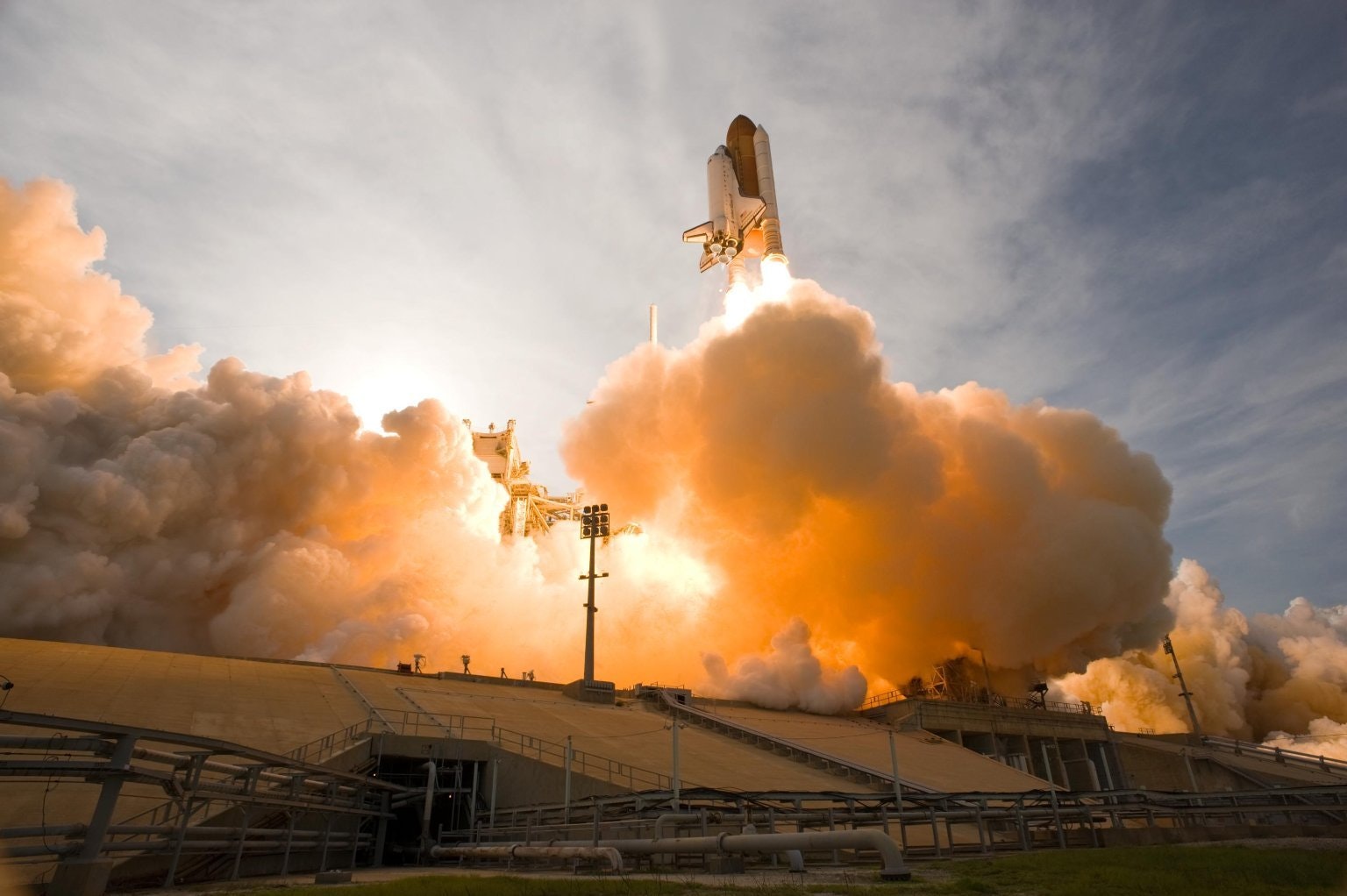
As a science fiction fanatic, you probably are familiar with space voyages and interplanetary travels. This is often about the stories that mainly highlight the traveling journey along with the destination. Instead of emphasizing and focusing on the planet or celestial body, the voyage has more opportunity to get the spotlight. Moreover, interplanetary travel became a sci-fi cliché around the 19th to 20th century and is still a strong and popular trope until today. Some great books featuring this trope are Primary Inversion by Catherine Asaro, The Mars Trilogy by Kim Stanley Robinson, and The Expanse Trilogy by James S A Corey.
Post-apocalyptic world
Another term referring to post-apocalypse is “after the end,” which pertains to the current state of the world after something terribly grand happened. Post-apocalyptic stories are often set in a time right after the disaster took place or a couple of years after the catastrophe. This trope also gives the readers some glimpses of the past when the world was calm and orderly. What makes this cliché more enticing is the millions of possibilities on how it can give readers a snapshot of what the world’s future could be if those fictional events happened in real life.






 Oliver’s Twist