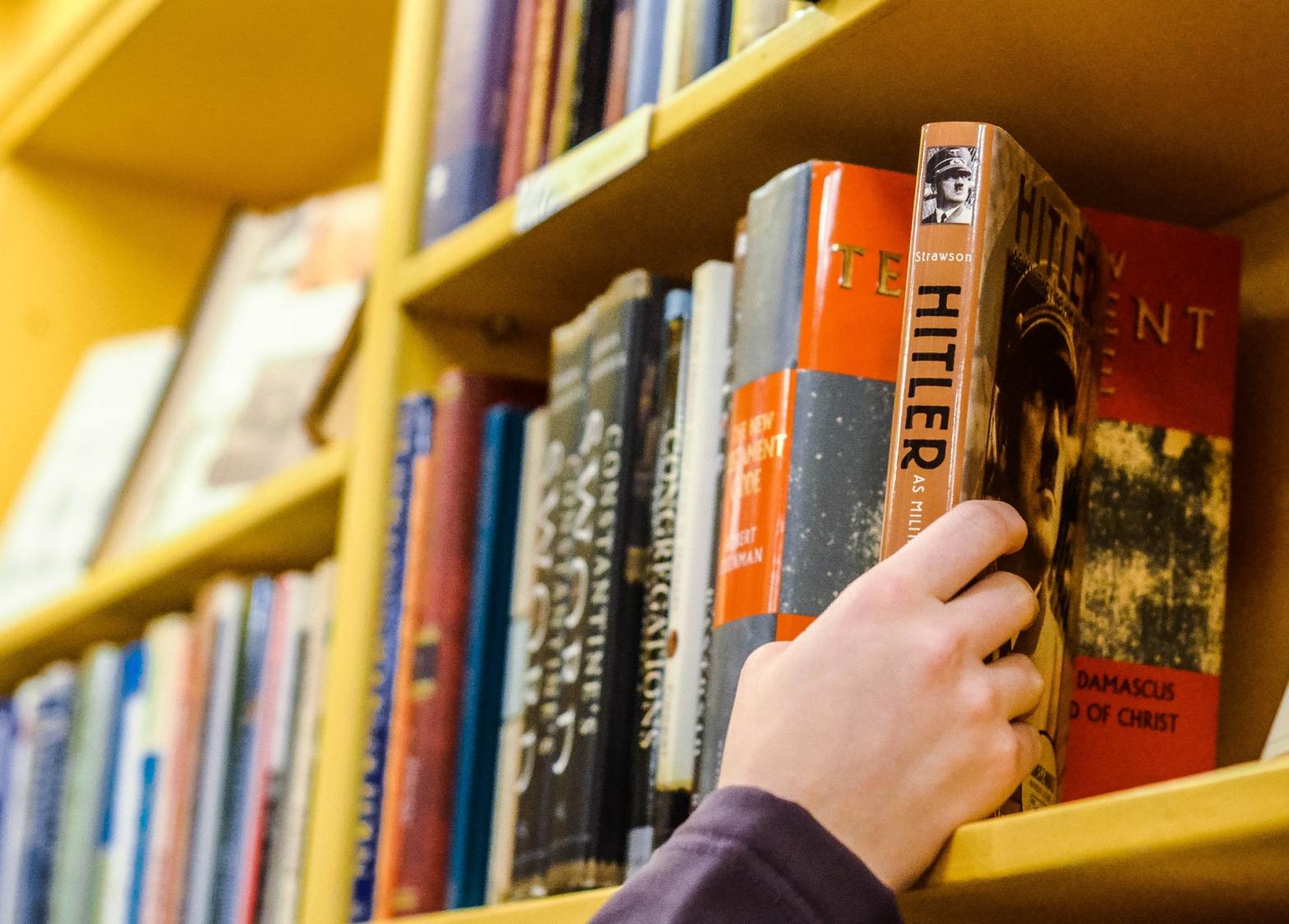
War Memoirs like Donut Hole by RC LeBeau and other war biographies impact how we view past armed conflicts and history as a whole.
War is a significant part of human history. Throughout ages, war has shaped nations, the human psyche, and people. Kingdoms rose and fell because of wars. Countries have been united and divided because of wars. For what it’s worth, wars have actually contributed to the maturity of modern societies. Peace and progress have been attained because of wars. Despite the violence, the death tolls, and the destruction of properties and human lives, it is safe to say that sometimes war is inevitable and must happen to usher in a new and better era for humankind. History is written with wars, and all wars are built on history. War stories, whether fiction or not, are mostly based on wars that actually happened. War memoirs and biographies, in a way, influence how we view our history and the history of nations and people that took part in those wars.
War memoirs and biographies are first-hand accounts of people who have participated in the armed conflicts. Depending on which side they fought for, these authors’ chronicles portray a particular bias towards one party. Except for those who have taken an objective stand for telling war narratives, these memoirs and biographies always portray their side as the heroes and victors. More importantly, their side of the story seeks to influence, validate, and reaffirm their version of history.
However, since the early 1900s, war literature has moved on from being biased and often self-glorifying into a collection of works that seek to celebrate humanity, values, faith, and peace. The anti-war movement and the realizations by the brave men and women who fought in the Vietnam War and earlier wars provided a different outlook and perspective as far as armed conflict and war of aggression are concerned. Classic works like Erich Maria Remarque’s All Quiet on the Western Front (1928), Ernest Hemmingway’s A Farewell to Arms (1929), and Dalton Trumbo’s Johnny Got His Gun (1938) all emphasized the human experience and tragedy of war. In doing so, these books have forced readers to re-examine the histories of these conflicts as well as their aftermaths.
“There is one cliché that holds true in writing about war. It brings us together. While warfare is an intensely personal experience for its participants, it is a very public endeavor. It’s history. It is deserving of the type of recording that allows society to interpret its meanings and determine its worthiness.” – David Ervin
The Vietnam War is undoubtedly the most famous armed conflict in recent memory, not even rivaled by the War in Afghanistan and Iraq. The war was participated by several independent nations and lasted almost 20 years. It is the war that the United States suffered its worst casualties and losses in terms of men, equipment, and morale. The war would produce an anti-war movement and countless war literature that would forever change how we view the American nation, the nations in the East, and the concept of war as a whole. Works like Fields of Fire by U.S. Senator Jim Webb (1978), Killing Zone Can by Frederick Downs (1978), and recent works like We Were Soldiers Once … and Young by Hal Moore (1992), The Things They Carried by Tim O’Brien (1990), and Donut Hole by RC LeBeau (2019) all showed us many aspects of war that were not present or highlighted in past works.
Because of these war memoirs and biographies, we discover many details in the accounts of men fighting the war and the logistics, politics, and how they influence the outcome of the war. We are also made aware of schemes and the so-called Military Industrial Complex and how Wars of Aggression play a massive part in the United State’s economic survival. Because of these modern war stories, we discover new lessons and realities that equip us to better understanding history and history as it unfolds right before us.
Recent works paint a clear picture of the politics, history, heroes, puppet masters, main players, and nations that took part in these wars. We are seeing history not in black and white anymore, but with multiple perspectives. For the first time, we embrace history not written exclusively by victors, tyrants, and the powers-that-be, but in the eyes of innocent people, reluctant heroes, unyielding “villains,” and ordinary souls whose lives were forever changed by the war.

 Oliver’s Twist